Miserere: Echoes Beyond the Canvas of Reality
Miserere is a haunting RPG Maker fangame that explore isolation, identity, and trauma through the fragmented dreams of a half-alien astronaut. Like Allegri's sacred composition, Miserere serves as a desperate plea for mercy in a universe of profound loneliness.
Contents
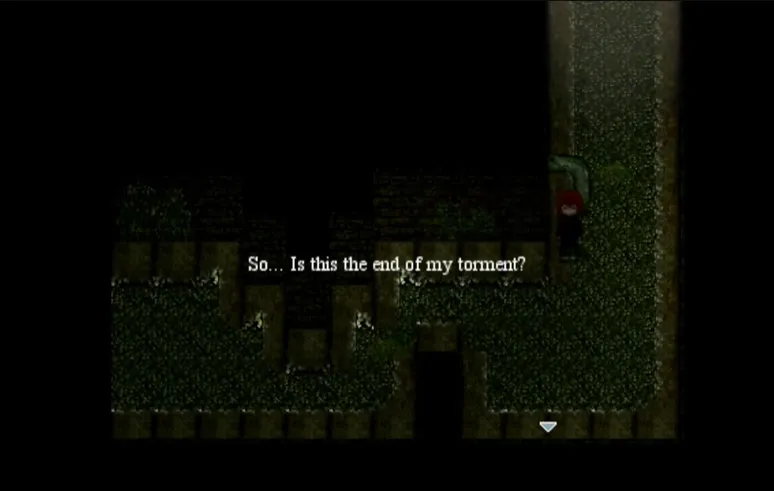
Miserere is a haunting RPG Maker fangame that explore isolation, identity, and trauma through the fragmented dreams of a half-alien astronaut. Like Allegri's sacred composition, Miserere serves as a desperate plea for mercy in a universe of profound loneliness. As the protagonist confronts their darkest memories, they arrive at a bittersweet revelation: "So... Is this the end of my torment?...Will my dream be peaceful, and my days fulfilling? Am I happy? I guess this is what it means to be human.” Created by Snow Owl in 2012, this surreal horror experience transcends typical Yume Nikki fangames by weaving together profound themes of identity, persecution, and psychological trauma.
"Recently, my dreams have become increasingly hard to control. Is this a sign of my deteriorating mental health?" - Said the nameless protagonist of Miserere
In the vast constellation of independent horror games, few titles manage to capture the profound weight of human isolation quite like Miserere, Snow Owl's haunting Yume Nikki fangame. Released in 2012, this RPG Maker masterpiece takes its name from the Latin phrase meaning "have mercy", the same plea that echoes through Gregorio Allegri's sublime Miserere mei, Deus, composed in the 1630s for the Sistine Chapel. Just as Allegri's composition was shrouded in mystery and forbidden to be performed outside the Vatican for over a century, Miserere the game dwells in spaces of forbidden knowledge and suppressed memories.
Spoiler Alert: You might want to try the game yourself here first before reading this blog as it covers through the full plot of this game.
A World Beyond Redemption
To start off with, the environmental storytelling in Miserere creates a dystopian future that feels disturbingly plausible. This is a world where the natural order has collapsed: familiar animals are extinct while rats overrun human spaces, suggesting an ecosystem in terminal decline. The protagonist's overgrown garden on the space station mirrors this larger environmental catastrophe, nature reclaiming spaces in chaotic rather than healing ways.
Even the game's technical limitations become thematically resonant. The "Empty Room Psych" effect, doors that won't open despite having keys, rooms that contain nothing meaningful creates the same frustrated expectations that define the protagonist's life. Players, like the protagonist, search desperately for meaning and connection only to find locked doors and empty spaces.
The game's use of real-world artistic references (Boards of Canada's electronic melancholy, Silent Hill's industrial horror, René Magritte's surrealist landscapes) creates a palimpsest of cultural memory overlaying the protagonist's personal trauma. These aren't mere easter eggs but deliberate choices that ground the surreal experience in recognizable human artistic traditions, even as those traditions are filtered through the lens of profound psychological distress.
Like Allegri's Miserere, which ends not with resolution but with a final, haunting plea for mercy, the game leaves us in darkness, hoping for grace that may never come. We never learn if the protagonist wakes up, recovers, or finds peace, only that they have confronted their deepest trauma and now must carry that knowledge forward into whatever reality awaits them.
A Symphony of Solitude
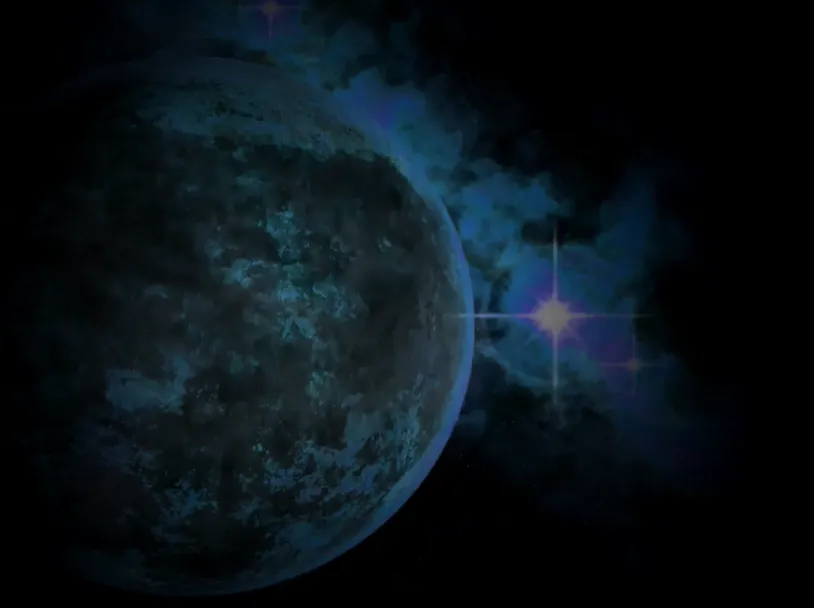
The connection between Allegri's sacred music and this digital nightmare runs deeper than their shared title. Allegri's Miserere was traditionally performed during Holy Week in complete darkness, illuminated only by candles that were gradually extinguished as the piece progressed, leaving the final, soaring high C to ring out in absolute blackness. Similarly, Miserere the game unfolds in perpetual twilight, where our unnamed protagonist, a half-alien astronaut trapped alone on the space station Harmony, seeks solace in increasingly dark and uncontrollable dreams.
Both works explore themes of mercy, redemption, and the human condition pushed to its absolute limits. Where Allegri's composition pleads for divine forgiveness, Snow Owl's creation examines what happens when that mercy seems forever out of reach.
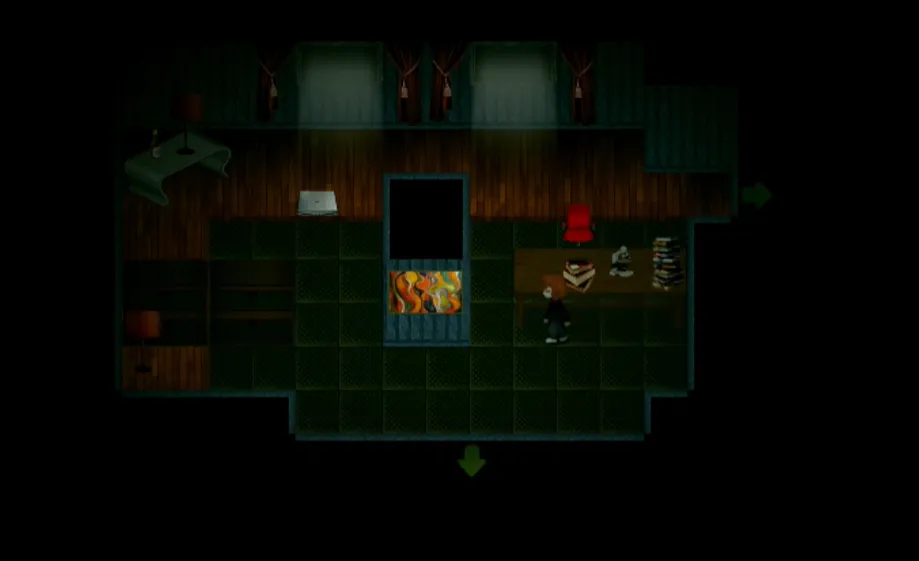
The Surreal Landscape of Memory
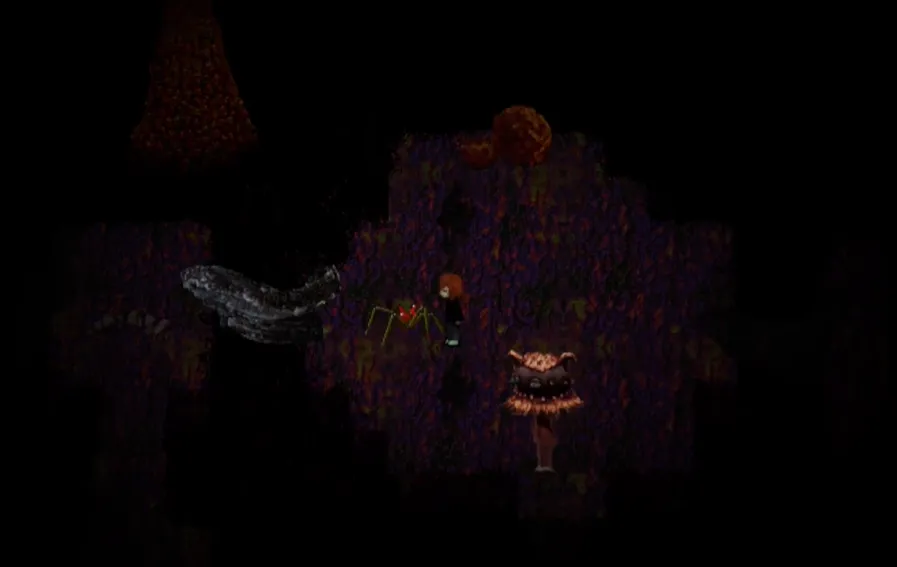
Miserere stands apart from other Yume Nikki fangames through its commitment to surrealist storytelling. Unlike traditional dream exploration games that focus on collecting effects or abilities, Miserere strips away these mechanical distractions to focus purely on atmosphere and psychological revelation. The protagonist's dream worlds feel genuinely surreal in the artistic sense, not merely bizarre for the sake of being strange, but meaningful distortions of reality that reveal deeper truths about trauma, memory, and identity.
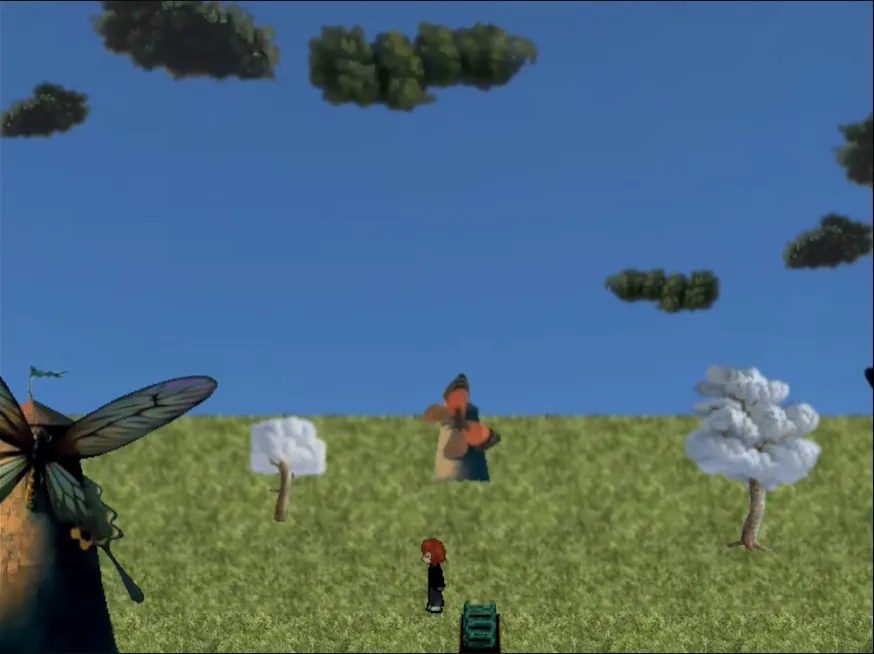
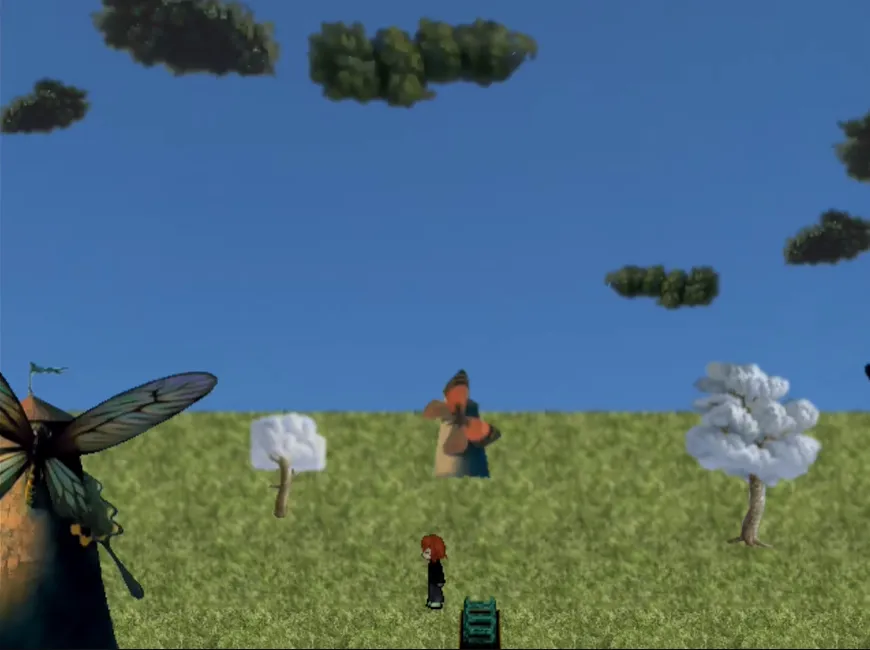
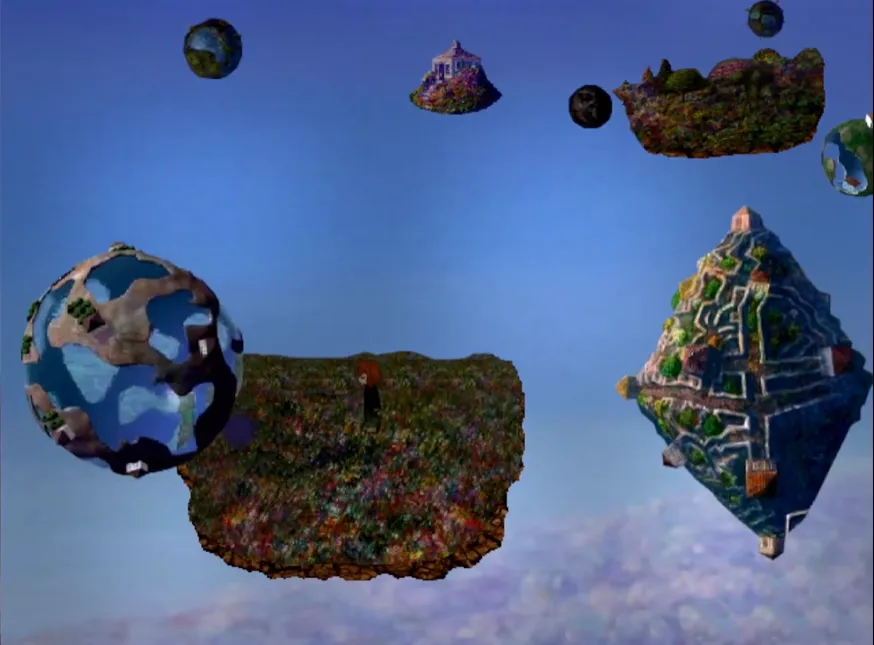
The game's visual design draws heavily from surrealist masters like René Magritte, with one memorable sequence literally transporting players into what appears to be a Magritte painting. This isn't mere homage; it's a deliberate artistic choice that reinforces how surrealism serves as the perfect medium for exploring psychological states that defy rational explanation.
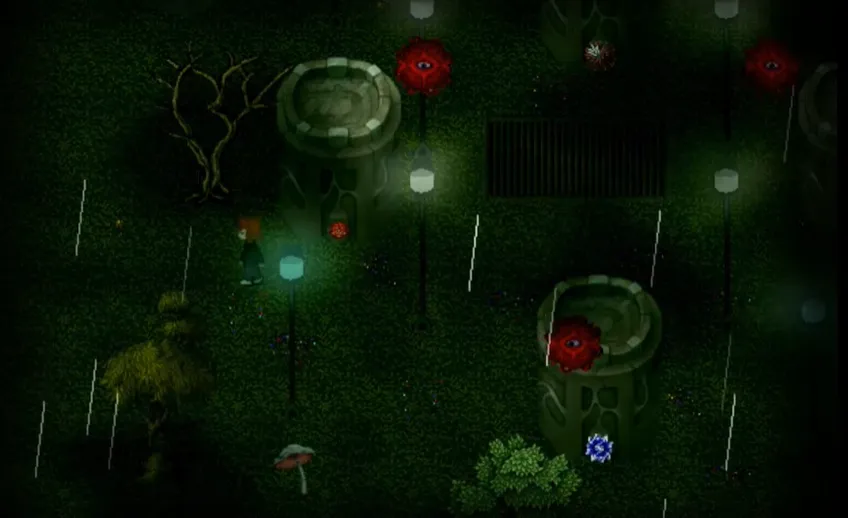
The Architecture of Isolation
The space station Harmony itself becomes a character in this narrative , a liminal space between the conscious and unconscious mind. Our protagonist has spent twelve years in this mechanical purgatory, monitoring controls and tending to an overgrown garden that reflects their own deteriorating mental state. The station's sterile corridors and plant-infested chambers create a perfect metaphor for a mind where nature and technology, organic growth and mechanical routine, exist in uneasy tension.
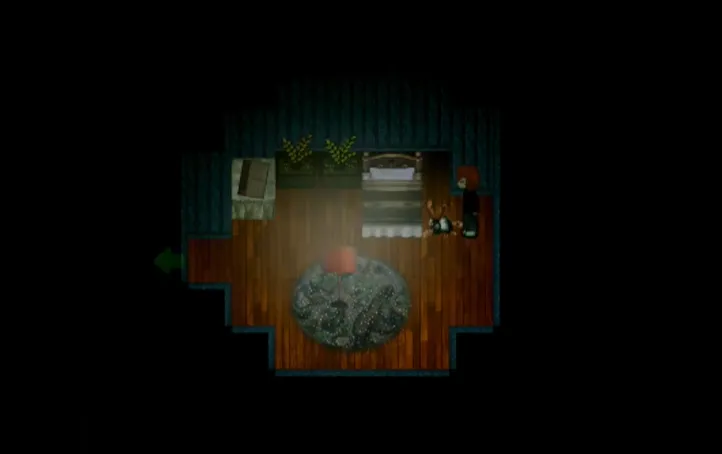
This setting amplifies the game's central theme of fantastic racism and alienation. The protagonist, revealed to be a human-alien hybrid, carries the weight of persecution that drove them and their mother to live in sewers before the mother's murder by the extremist group Terra Puritatem ("Pure Earth"). The space station becomes both sanctuary and prison, a place of safety that has transformed into a tomb of memory.
Dreams as Narrative Architecture
What makes Miserere particularly compelling is how it uses surreal dream logic not as an excuse for random imagery, but as a sophisticated narrative structure. The protagonist's dreams become increasingly fragmented and difficult to control as their mental state deteriorates, a perfect parallel to how trauma fragments memory and disrupts our ability to construct coherent narratives about our own lives.
The game's exploration mechanics mirror this psychological state. Players must piece together items, memories, and story fragments across multiple dream layers, never quite sure what's real, what's symbolic, and what's simply the product of a mind under extreme duress. The doll collection quest, where your task is gathering pieces of a fragmented whole to give to a lonely old woman, serves as a beautiful metaphor for the protagonist's attempt to reconstruct their shattered sense of self.
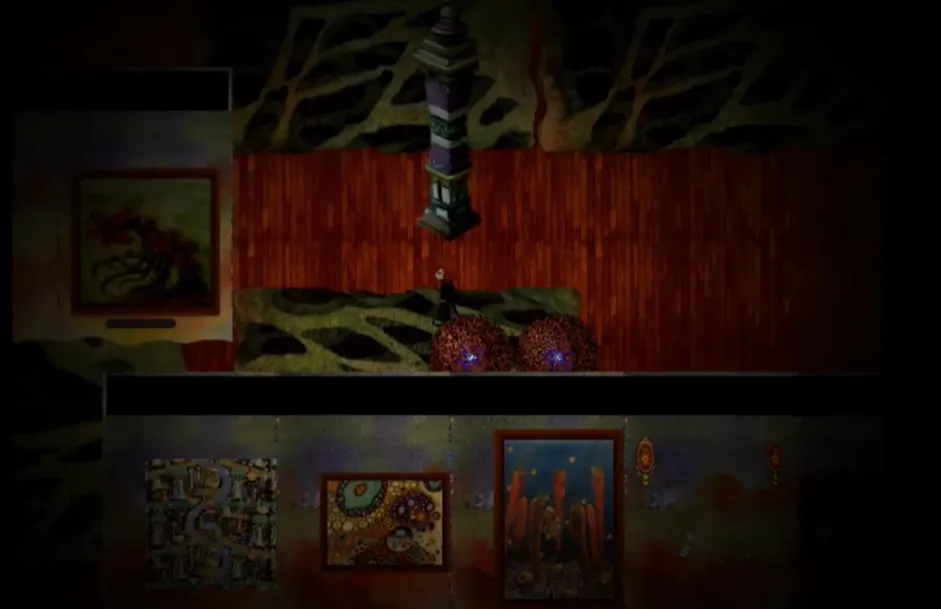
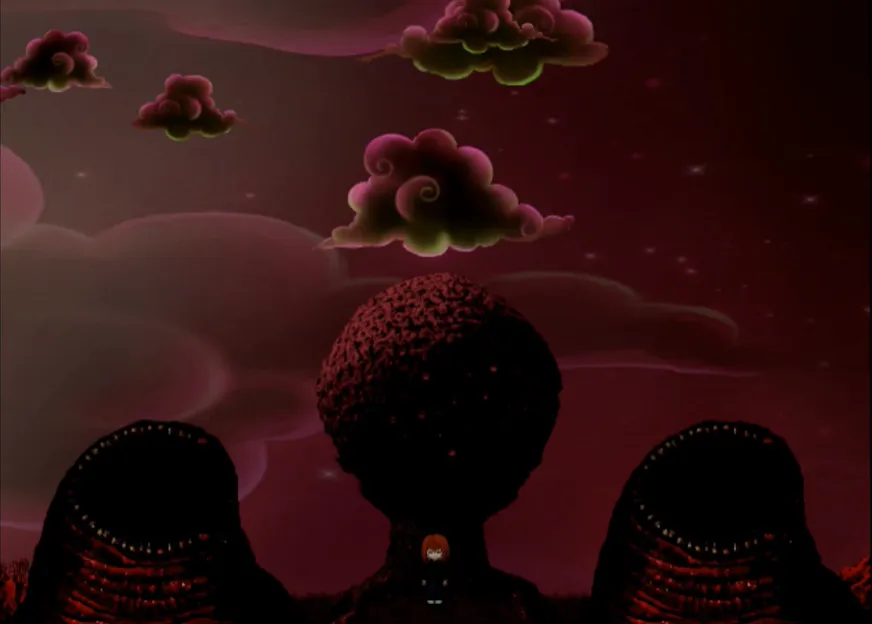
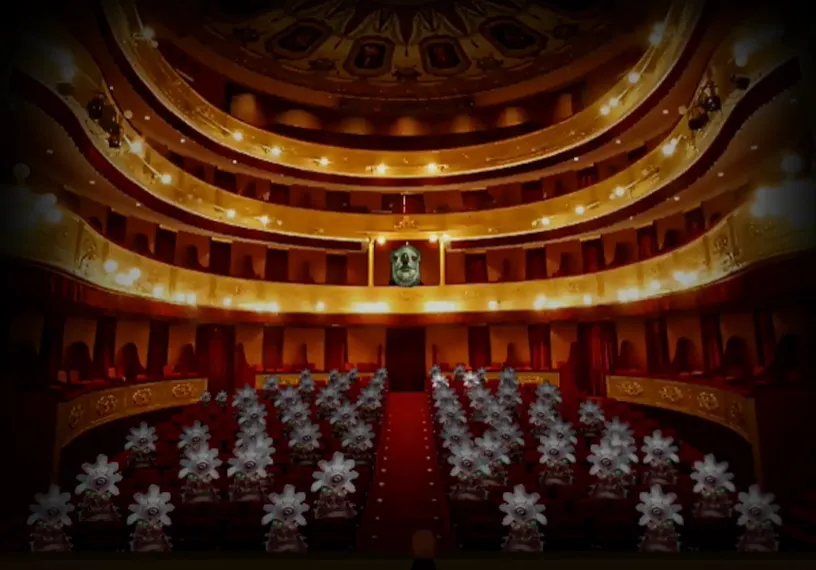
Each dream realm contains its own symbolic language. In the fungus cave area, faceless eyeball creatures float through organic corridors, perhaps representing the feeling of being watched and judged by an unseeing society. The rusted ship area, with its jammed doors and empty rooms, mirrors the protagonist's frustration with barriers both real and psychological: doors that promise revelation but lead nowhere, keys that unlock nothing meaningful. Here, the lonely piano piece by Boards of Canada underscores the profound desolation of abandoned spaces and forgotten purposes.
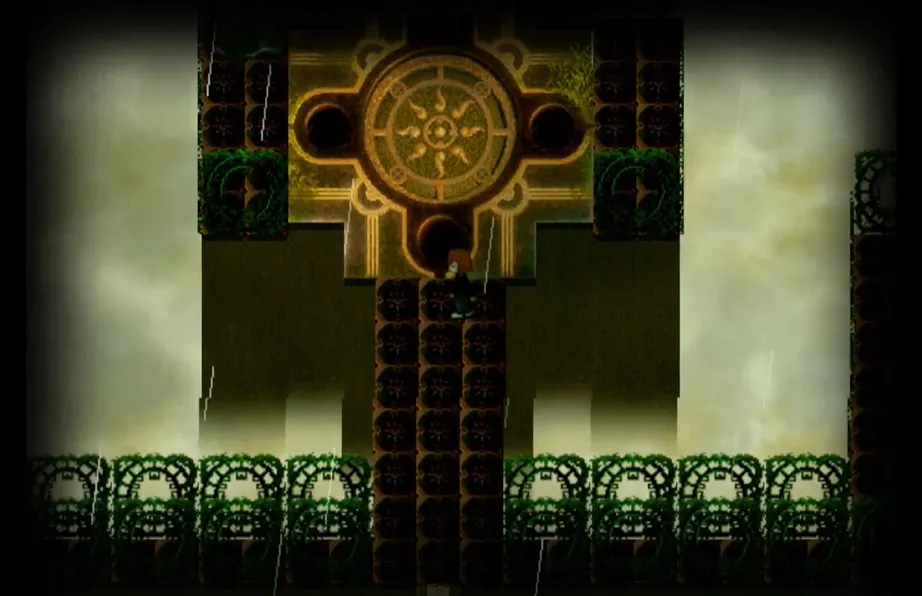
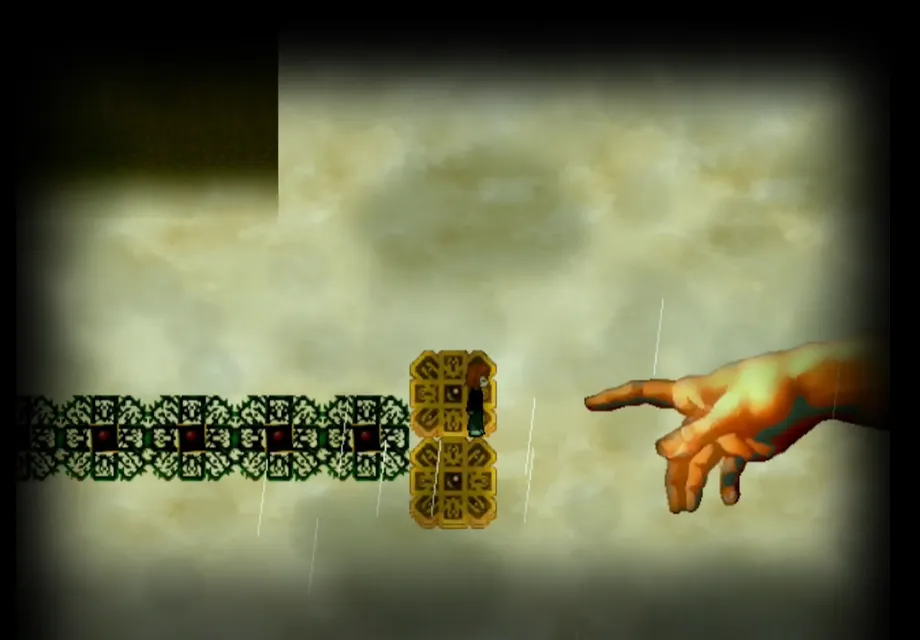
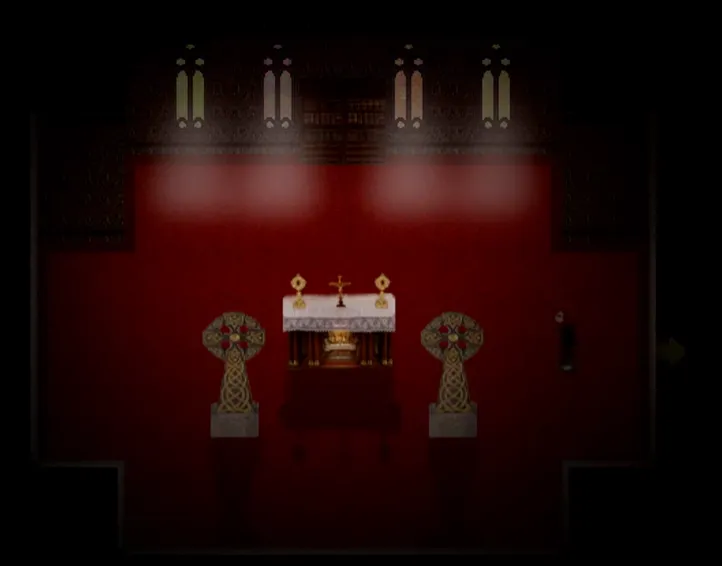
The game's Christian imagery becomes particularly poignant when viewed through the lens of the protagonist's lost faith. Disembodied bishop heads that kill on contact, stained glass windows in crumbling cathedrals, and the recurring motif of God's pointing hand from Michelangelo's "Creation of Adam" all speak to a spiritual crisis as profound as the psychological one. The protagonist, once devout but now a "Hollywood Atheist" shaped by years of scientific study and existential isolation, finds their dreams populated by the very religious symbols they've intellectually rejected but can't emotionally escape.
The Uncanny Valley of Memory
The game's most haunting moments often occur in its quieter spaces. The protagonist's rediscovery of a sanctuary within the space station, one of the game's most serene areas, offers them the choice to pray despite their lost faith, highlighting the desperate human need for meaning in the face of cosmic indifference. This moment exemplifies Miserere's sophisticated approach to psychological horror: it's not the jump scares (though the falling corpse in the rusted ship certainly startles) but the recognition of our own spiritual emptiness that truly unnerves.
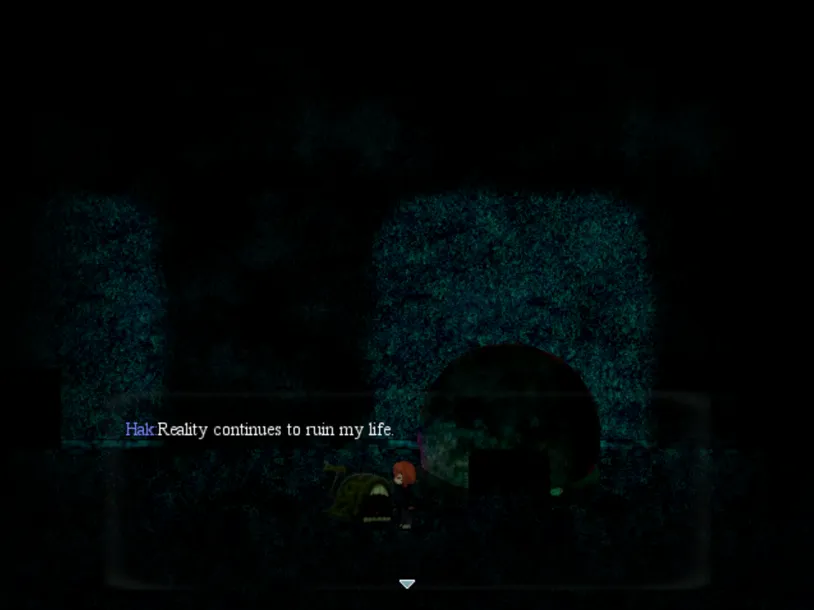
The dream world's inhabitants speak in cryptic quotations that feel both profound and hollow: "Everything you can imagine is real," offers T'ok, while Hak laments that "Reality continues to ruin my life." These NPCs serve as fractured aspects of the protagonist's psyche, each offering philosophical fragments that might once have provided comfort but now only underscore their isolation. The Mossy Old Man's twisted version of "Santa Claus Is Coming to Town": "You better watch out, you better not cry. Your time is limited, so don't waste it", transforms childhood comfort into existential dread.
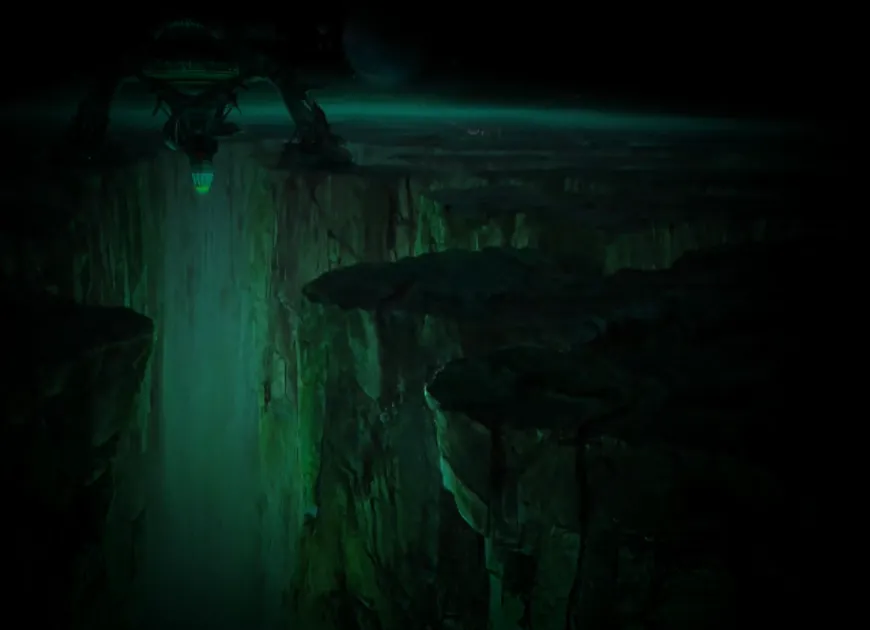
Perhaps most disturbing is the protagonist's encounter with their shadow-self's suicide. Standing at the precipice where their doppelgänger leaped, they experience vertigo not just from height but from the proximity to their own self-destructive impulses. "There is nothing between me and certain death," they observe with the detached clarity that often accompanies severe depression.
The Labyrinth of Identity
What elevates Miserere beyond mere psychological horror is its exploration of identity and belonging through the lens of fantastic racism. The revelation that the protagonist is a human-alien hybrid adds layers of meaning to their isolation. They are literally caught between worlds, neither fully human nor alien. Their childhood happiness in the sewers with their "loving, caring, understanding, kind and wise" mother represents not just lost innocence, but the last time they experienced unconditional acceptance.
The extremist organization Terra Puritatem ("Pure Earth") that murdered their mother embodies the very human tendency toward othering and xenophobia. In a future where rabbits, horses, and tigers are extinct but rats flourish, the remaining humans direct their frustration not toward environmental restoration but toward the persecution of alien refugees. The protagonist's journey from persecuted "mutant" hiding in sewers to astronaut stationed at the galaxy's center raises profound questions about assimilation, survival, and the cost of escaping one's origins.
The game's ending offers no resolution to these themes. After defeating the nightmarish representation of Carrie (their mother's killer), the protagonist is left mourning over their mother's corpse. The final image is one of unresolved grief: they have conquered their demons in the realm of dreams, but awakening to a world that remains fundamentally hostile to their existence offers no true victory.
The Legacy of Digital Surrealism
Miserere represents something rare in indie gaming: a work that understands surrealism not as a visual style but as a philosophical approach to exploring the human condition. It demonstrates how RPG Maker, despite its technical limitations, can serve as a legitimate artistic medium for creating experiences that rival any traditional art form in their emotional and psychological complexity.
In our current age of isolation, whether physical, digital, or spiritual, Miserere feels more relevant than ever. It reminds us that surrealism emerged as an artistic response to the trauma and fragmentation of the modern world, and that video games, at their best, can serve as vessels for the same kind of profound artistic expression that once flowed through the cathedrals where Allegri's Miserere first echoed.
Like that sacred composition, Miserere the game demands to be experienced in its intended darkness, allowing its strange beauty to wash over us as we navigate the labyrinth of one soul's desperate search for mercy, and perhaps, in recognizing that search, find something like compassion for the isolated spaces within ourselves.
Miserere is available as freeware and can be downloaded from various indie game archives. Such as Game Jolt: https://gamejolt.com/games/miserere/16695
References:
- https://yumenikkifg.fandom.com/wiki/Miserere
- https://rpgmaker.fandom.com/wiki/Miserere
- https://tvtropes.org/pmwiki/pmwiki.php/VideoGame/Miserere
Read more at: Lazzerex’s Blog
Source: Published Notion page
This article
Post Reactions
Join the conversation
Write a Comment
Share your thought about this article.
Comments
Loading comments...