The Art Of Leitmotif And Its Role in Undertale’s Storytelling
Music is at the heart of Undertale’s narrative, acting as more than just background ambiance. Each track is carefully crafted to reflect characters’ personalities, key emotional moments, and the overall mood of the game’s world.

Contents
Music is at the heart of Undertale’s narrative, acting as more than just background ambiance. Each track is carefully crafted to reflect characters’ personalities, key emotional moments, and the overall mood of the game’s world. Especially, the use of leitmotif has helped to build emotional continuity and deepens the player’s connection to the story. This blog post is based on the excellent video analysis "How the song 'Undertale' Hits Home" by Game Score Fanfare, which explores the musical techniques that make Undertale's soundtrack so emotionally powerful.
In 2015, an indie developer named Toby Fox released Undertale, a critically acclaimed RPG that he both developed and composed the soundtrack for. What makes Fox's achievement particularly remarkable is that he is a self-taught musician who composed the entire soundtrack himself, taking on the monumental task of creating all the tracks that would become one of gaming history's most beloved soundtracks. Fox's journey to Undertale began with early work composing music for the webcomic Homestuck. Before that, he had also worked on Earthbound’s Halloween ROM hack, in which he had released the very first version of “Megalovania”. The success of Undertale's soundtrack lies not just in its catchy melodies, but in Fox's sophisticated understanding of how music can manipulate emotion and create genuine connection between player and story. As we'll explore, one track in particular, which is the game's titular song, demonstrates a masterclass in emotional composition that transforms what could have been a simple scene into something truly moving.
The Unique Challenge
Undertale faces a unique challenge in its final act, New Home. How does a game that has spent most of its runtime being absurd and fanciful suddenly pivot to deliver genuine human emotion? The answer lies in one of the most powerful tools in any composer's arsenal: an acoustic guitar.
This seemingly simple instrument becomes the key to unlocking the game's emotional core, transforming what could have been a contrived moment into something that truly resonates with players.
Understanding Undertale's Musical Impact
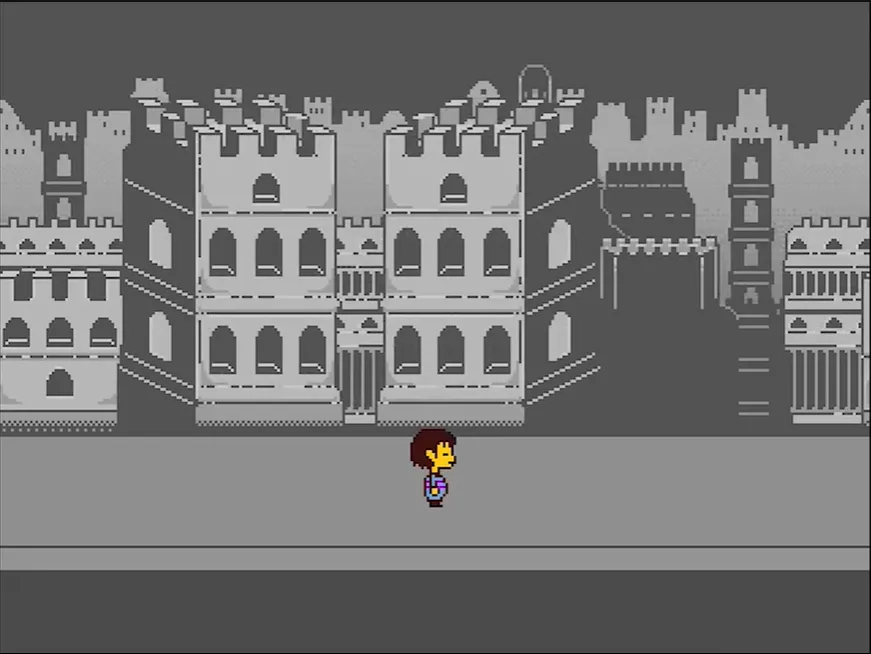
Before diving into the emotional impact of the titular track, it's essential to understand Undertale's relationship with music history. The game serves as both a love letter to JRPGs of the 80s and early 90s and a subversive commentary on the genre's conventions.
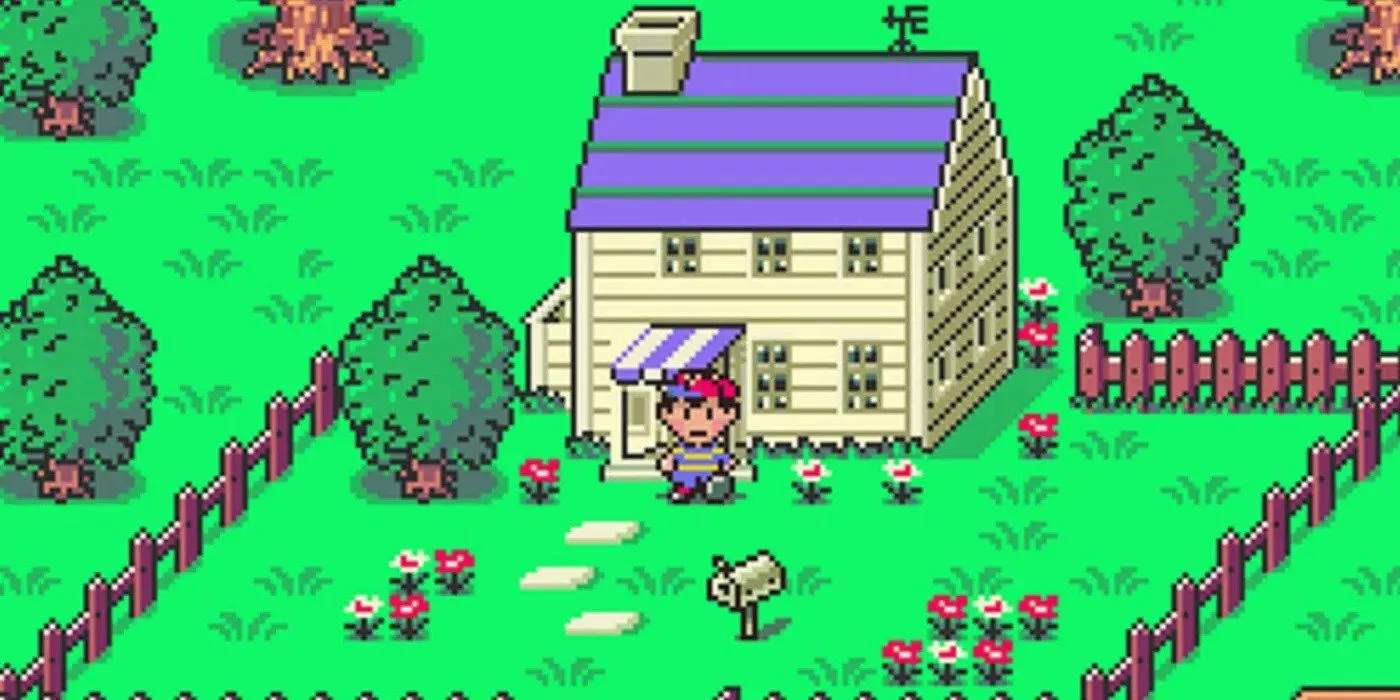
The musical journey begins with "Once Upon a Time," an authentic 8-bit track that could have been pulled straight from an NES cartridge. This opening theme deliberately evokes the original Mother game, establishing Undertale's place within the JRPG tradition while hinting at its willingness to both honor and challenge that heritage.
As the game progresses, the soundtrack evolves through different console generations, incorporating 16-bit sounds reminiscent of Super Nintendo classics like Earthbound and Final Fantasy VI. This musical evolution mirrors the game's narrative progression, with each era bringing new possibilities while maintaining respect for what came before.
The Power of Leitmotif
One of Undertale's most sophisticated musical techniques is its extensive use of leitmotifs, which are recurring musical themes that represent characters, ideas, or emotions. Out of 101 tracks in the game, only 12 lack any trace of other music from the game, and most of these are brief jingles or ambient pieces.
The song "Undertale" itself contains two crucial motifs. The first is "His Theme," played by the acoustic guitar, which represents Asriel, the monster prince whose actions set the entire story in motion. This theme has been subtly hinted at throughout the game but only reaches full realization when players finally learn Asriel's true identity and role in the tragedy.
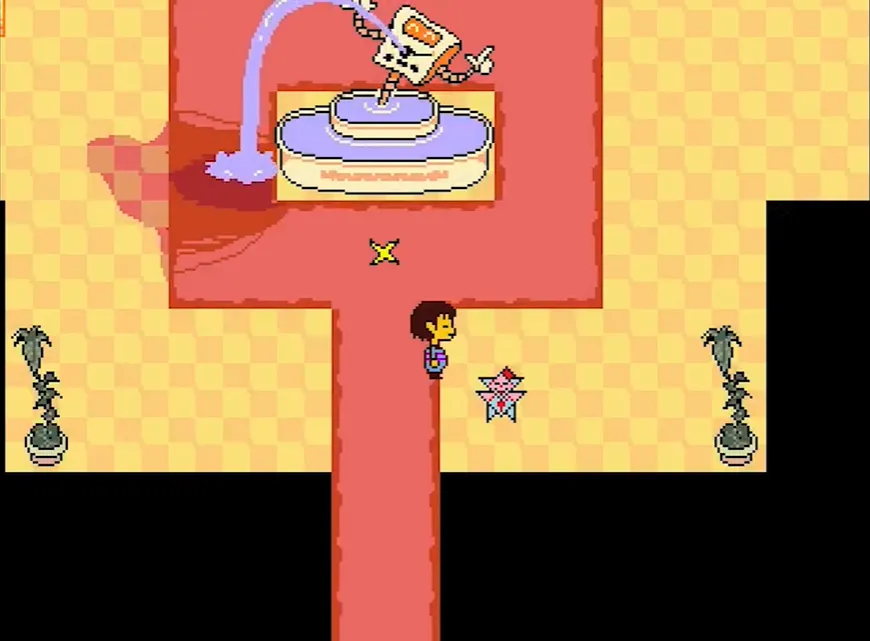
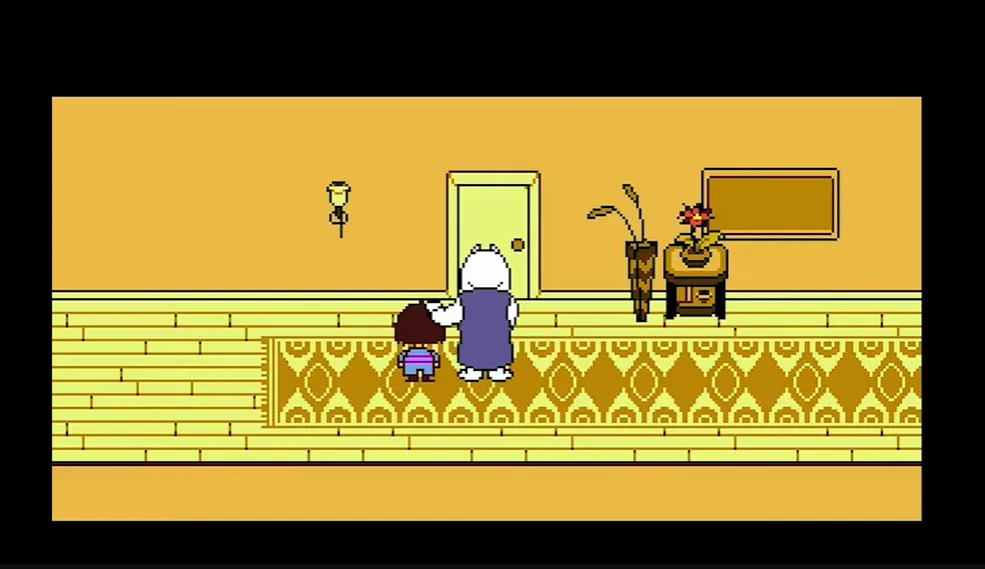
The second motif, heard in the piano line, is the game's main theme—a melody that music analyst Jason Yu suggests evokes safety and comfort. This theme appears in places of shelter and rest, from Toriel's home at the beginning to the Hotel before the final area, creating a musical thread that connects moments of peace throughout the player's journey.
The Moment Everything Changes
The true genius of Undertale's emotional climax lies in its use of a live acoustic guitar performance by Stephanie MacIntire. This is the only live recording of an instrument on the entire soundtrack, and its impact cannot be overstated.
After hours of digital instruments and synthesized sounds, the introduction of a real human performance creates an immediate shift in the game's emotional landscape. The subtle imperfections inherent in human performance, including the tiny timing variations, the slightly out-of-tune strings, and the sound of the pick against the strings, all of which serve to ground the scene in reality.
These human elements create what the original video describes as a "personal atmosphere" that brings the game's emotional punch hurtling back down to Earth. The organic nature of the acoustic guitar stands in stark contrast to the digital world players have inhabited, emphasizing the humanity at the heart of the story.
Scoring Emotion from an Unexpected Perspective
Perhaps the most sophisticated aspect of the "Undertale" track is how it handles emotional perspective. The scene takes place as players approach their final confrontation with King Asgore, who intends to use their human soul to break the spell trapping monsters underground. From the player's perspective, this should be a moment of dread and fear.
Toby Fox's original composition for this scene was indeed sad and mournful, with heavy bass and dark chords that would have scored the player's emotions perfectly. However, the final version takes a dramatically different approach. The music is hopeful and optimistic, driven by a major key and steady forward momentum.
This choice initially seems counterintuitive until you realize the brilliance of the perspective shift. The music isn't scoring the player's emotions, it's scoring the monsters' emotions. They're excited and hopeful because they believe freedom is finally within reach. They're celebrating the end of their suffering, not mourning the player's fate.
This musical choice forces players to experience empathy in its truest form: understanding and sharing in the feelings of others, even when those feelings conflict with your own situation. It's a masterclass in how music can be used not just to enhance what players are already feeling, but to make them feel something entirely different.
The Broader Message
The success of this musical moment speaks to Undertale's central theme: empathy as an alternative to violence. Throughout the game, players are encouraged to resolve conflicts through understanding rather than combat. The "Undertale" track serves as the musical embodiment of this philosophy, using the power of music to create genuine emotional connection across the divide between player and character.
What could have been a clichéd or contrived moment instead becomes profoundly moving because the music doesn't tell players what to feel—it shows them how others feel. This distinction is crucial to the game's emotional impact and its lasting influence on players.
Conclusion
The song "Undertale" succeeds because it understands that true emotional connection comes not from manipulation, but from genuine understanding. By combining the human warmth of live acoustic guitar with sophisticated leitmotif development and an unexpected shift in emotional perspective, Toby Fox created a moment that transcends the boundaries between player and game.
This analysis, brilliantly explored in Game Score Fanfare's video, reveals how thoughtful musical choices can transform a simple scene into something that genuinely moves players. In a medium often criticized for prioritizing spectacle over substance, Undertale proves that sometimes the most powerful moments come from the most human touches—like the sound of fingers on guitar strings, played by a real person, in a real room, with real imperfections that make it perfect.
This blog post is based on the video "How the song 'Undertale' Hits Home" by Game Score Fanfare. For the full analysis with musical examples, I highly recommend watching the original video. Additional insights referenced include Jason Yu's detailed write-up on Undertale's use of leitmotif and Ongaku Concept's video on "Hopes and Dreams."
Read more at: Lazzerex’s Blog
Source: Published Notion page
This article
Post Reactions
Join the conversation
Write a Comment
Share your thought about this article.
Comments
Loading comments...