The Bittersweet Beauty Of Youth In “Sakurazuki”
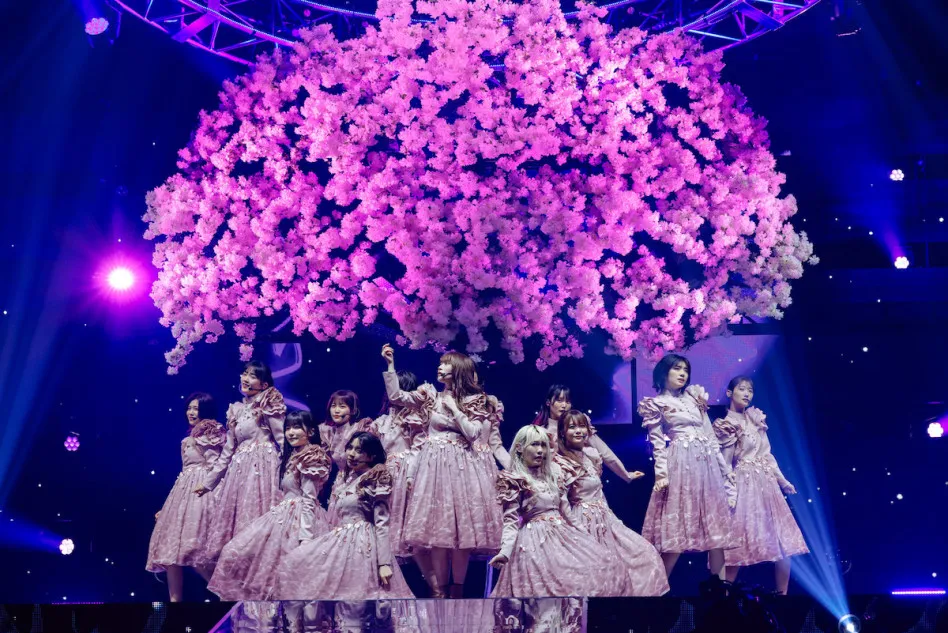
“Sakurazuki” is the fifth single by Sakurazaka46, featuring lyrics by Yasushi Akimoto and another memorable composition from Nazca. In my opinion, it’s the group's most emotionally resonant tracks, weaving together the universal themes of first love, growing up, and the painful beauty of letting go.
Contents
- The Poetry of Seasons and Time
- From The First Line
- The Bus Stop Of Missed Opportunities
- Coming of Age and Sacrifice
- The Complexity of Memory and Self-Reflection
- How Do You End Something Beautifully?
- To Scatter As Beautifully As Those Cherry Blossoms…
- "Don't Cry, Sakurazuki”
- Some Final Words…
- Read More: Lazzerex’s Blog
“The speed at which the sakura blossom petals fall... Five centimeters per second.”
Perhaps, if you’re a big anime fan, you would have heard of this quote before. It was in the very first scene of “5 Centimeters per Second”, where Shinohara was walking home with Toono on a path full of cherry blossoms. Throughout the movies, the cherry blossoms become a symbol for the gentleness and the fragile beauty of first love, while also hinting at the regret and delicate nature of human connection, both emotionally and physically.
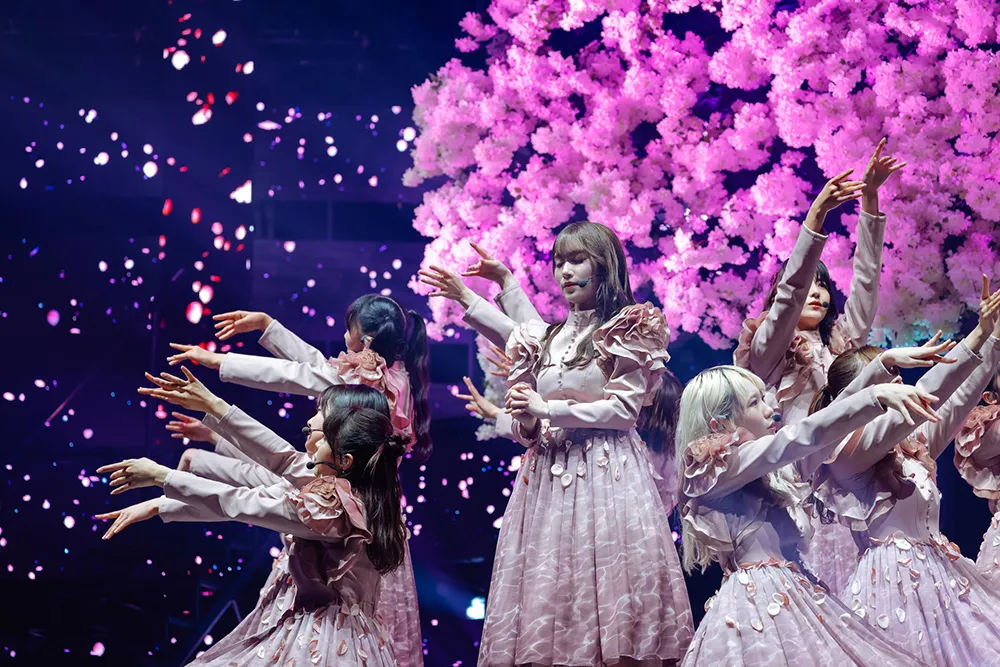
This interpretation can also be seen again in my personal favorite song from the idol group Sakurazaka46, “Sakurazuki (桜月)”, where the falling cherry blossom petals reflect the themes of first love, growing up, and the painful beauty of letting go. This song has successfully captured that quintessential moment of adolescence when love and loss intertwine like cherry blossoms in the wind, with the title itself (Sakurazuki, or The Cherry Blossom Season) creating a poetic neologism that elevates a simple season into something more profound and personal.
If you've never listened to it, please do yourself a favor and give it a listen. Now, allow me to walk you through what makes this piece so compelling, because honestly, the more I analyze it, the more impressed I get with the songwriting.
The Poetry of Seasons and Time
To start off with, this song's central metaphor revolves around cherry blossoms (sakura), which in Japanese culture represent the ephemeral nature of life and beauty. Yasushi Akimoto uses this imagery to frame the bittersweet memories of young love, acknowledging that just as cherry blossoms bloom brilliantly but briefly, so too do the intense emotions of youth.
Moreover, the recurring imagery of cherry blossoms that represent the beloved person (君を想う桜) creates a beautiful personification where the flowers become a vessel for memory and longing.
From The First Line
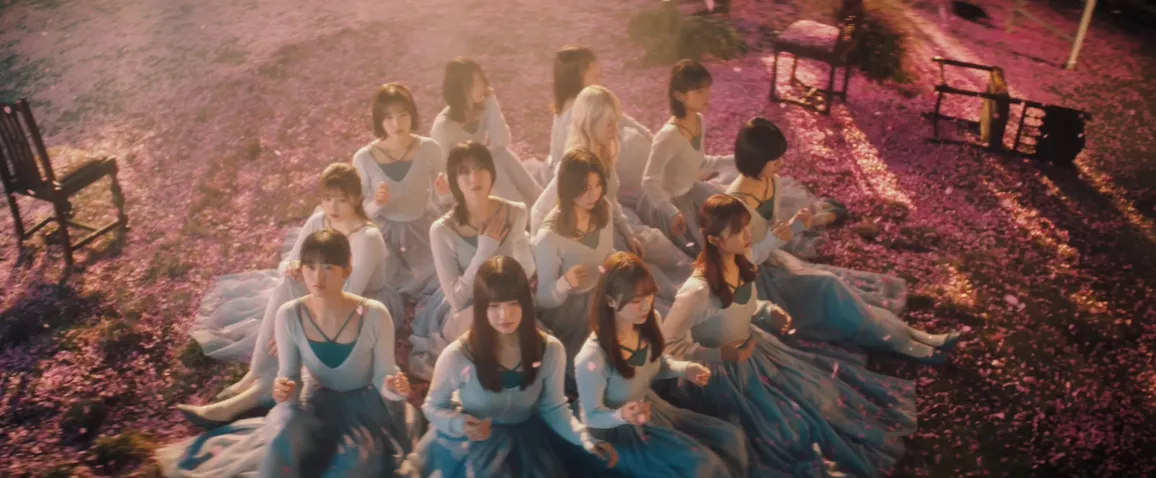
"こんなに誰かを好きになったこと 今までなかった そんな気がするんだ". "I don't think I've ever loved someone this much before."
This lyrics perfectly captures that moment when you realize this particular feeling is different from anything you've experienced before. It's terrifying and beautiful and overwhelming all at once.
What also strikes me is how quickly it shifts to self-sacrifice: "自分が傷つくことより 君を傷つけたくないって思い込んでしまった". “I became convinced that I'd rather hurt myself than hurt you..” The narrator here has already convinced themselves that protecting the other person matters more than their own pain. That's not typical teenage selfishness but rather someone who understands love as responsibility. They admits that they'd rather hurt themselves than hurt the person they love.
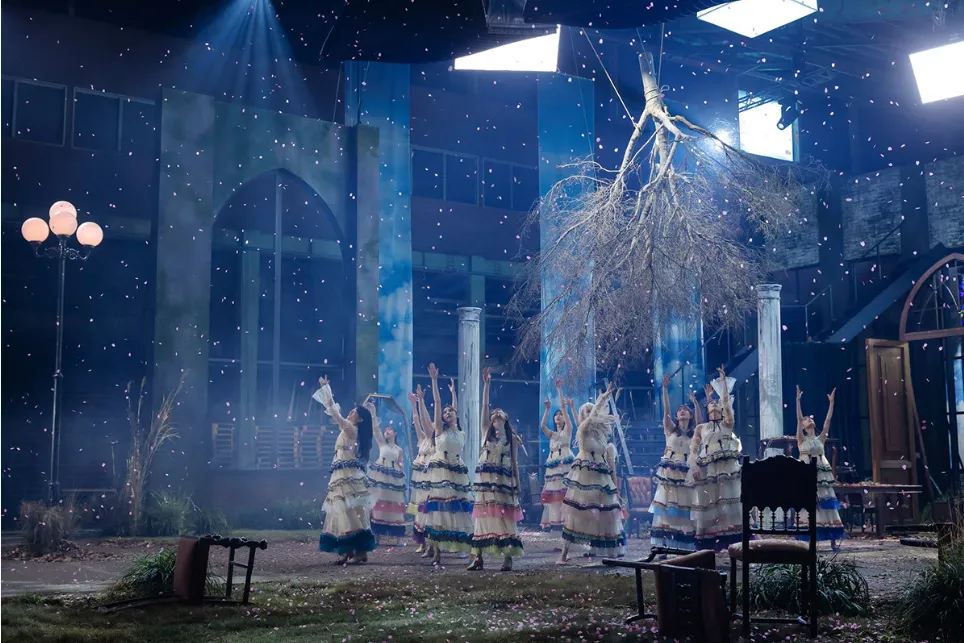
This emotional foundation would sets up the song's exploration of all those moments when love meets hesitation, particularly in the scene that follows.
The Bus Stop Of Missed Opportunities
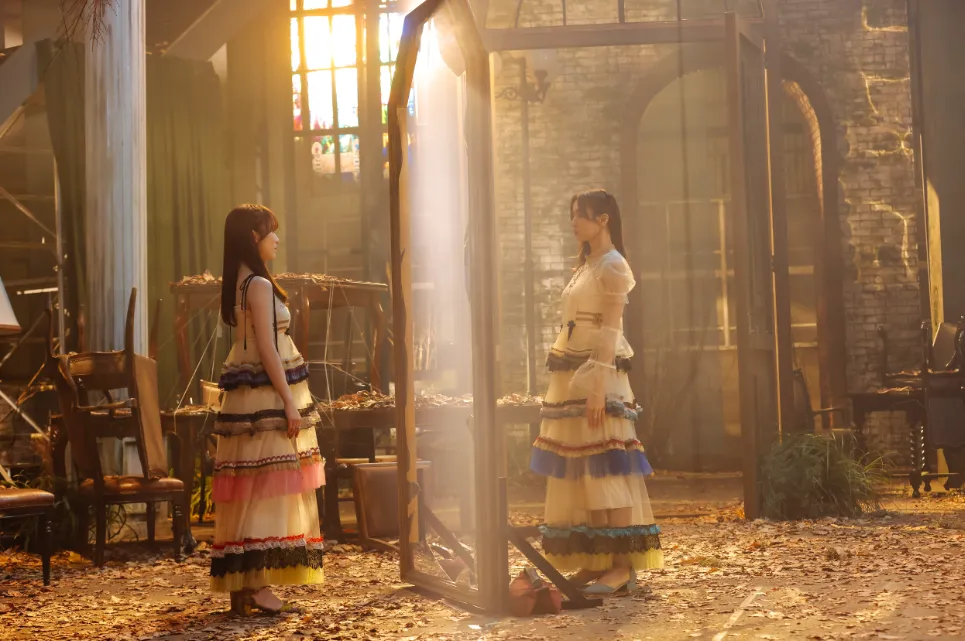
One of the song's most powerful elements is its exploration of regret and the burden of selfless love. The narrator reflects on moments of hesitation, particularly the poignant scene of waiting for the last bus (最終のバスを待ってる間), where opportunities for confession slipped away. This captures the universal experience of young love, those crucial moments when courage fails us.
Coming of Age and Sacrifice
Not only that, "Sakurazuki" also thoughtfully examines the transition from adolescence to adulthood through the anxiety-inducing countdown to graduation. The narrator questions what will truly change. Recognizing that on the surface, it's just different locations and new friends, yet sensing that something precious will inevitably be left behind in becoming an adult.
Here's where the song gets really sophisticated and its emotional complexity deepens, with the narrator's recognition that love can be selfish. "愛とは身勝手なボール 投げれば自分だけは楽になる そんなことできない". This metaphor is incredible because it acknowledges that confession is often more about the confessor's relief than the recipient's feelings. Comparing love as a "身勝手なボール" (selfish ball) that relieves only the thrower later on reveals mature insight where the narrator chooses not to burden their beloved with a confession that would only ease their own pain.
Just think about it: confessing your feelings is often more about making yourself feel better than actually considering what's best for the other person. The narrator realizes this and chooses NOT to confess, even though it would ease their own pain, which show level of self-awareness and selflessness. This sacrifice becomes even more poignant when the narrator learns of their beloved's decision to leave for Tokyo.
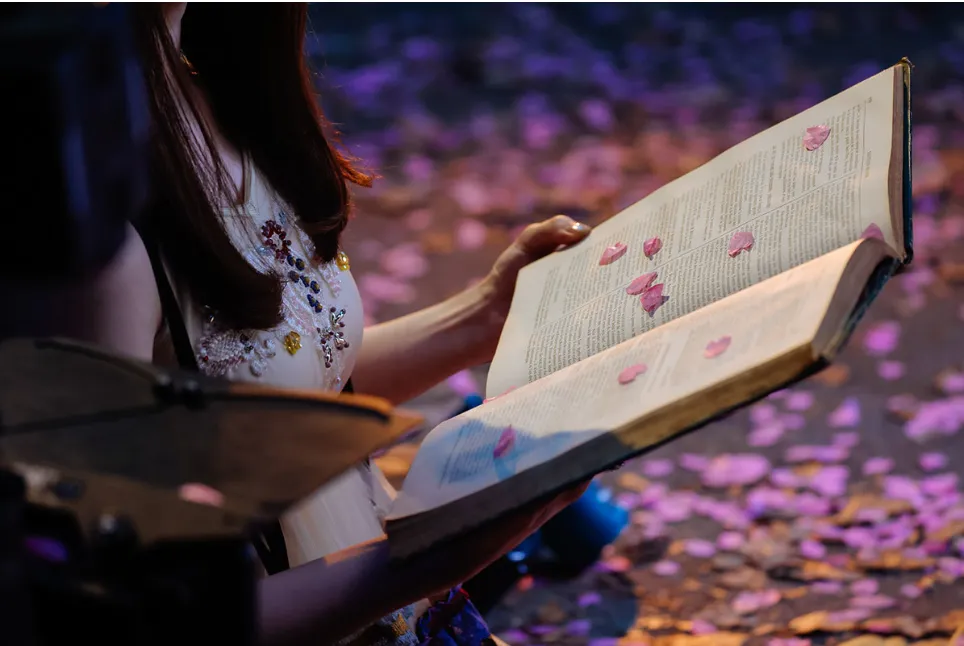
And instead of panicking or confessing to try to stop it, they want to support their beloved's dreams. "君のその背中を押したくなった". They want to give them that encouraging push. Rather than confessing, they choose to support, understanding that true love sometimes means prioritizing the other person's future over one's own desires.
The Complexity of Memory and Self-Reflection
The song's most sophisticated insight comes through its exploration of self-awareness and the narrator's internal dialogue. The line about another self being exasperated (もう一人の自分が呆れてる) while trying to act cool reveals the psychological complexity of young love.
Yet the narrator chooses to embrace idealization, wanting to remember their love as beautiful (美しい恋だった) even if it's self-indulgent (独りよがり). This represents a mature understanding that our memories and the meaning we assign to them are choices we make. They want to praise themselves for letting something go gracefully, to find the meaning in their own sacrifies. This internal dialogue about memory and meaning naturally leads to the song's central philosophical question that emerges in the second chorus.
How Do You End Something Beautifully?
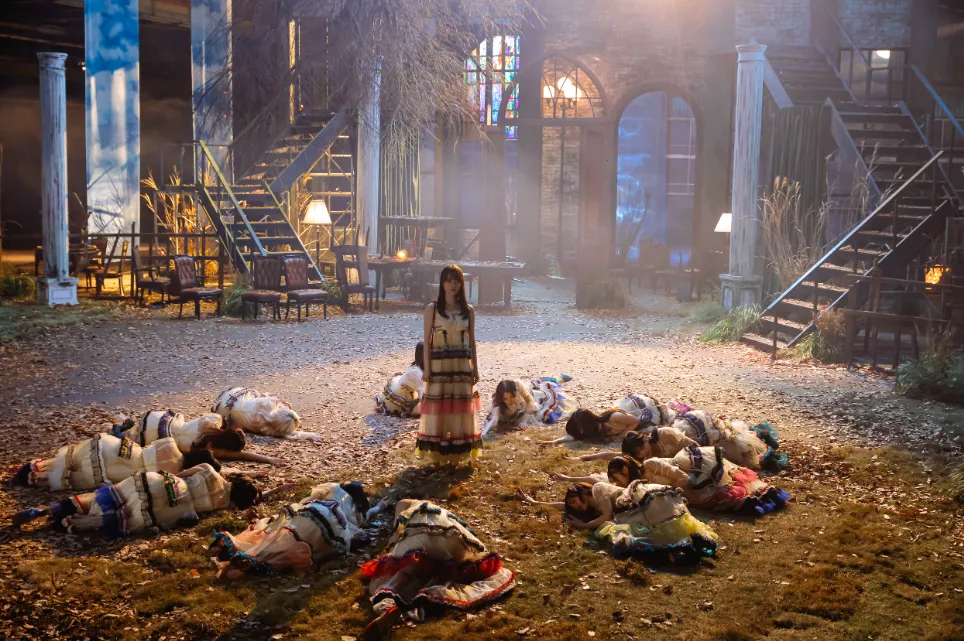
The second chorus introduces what I think is the song's central philosophical question: "どうやってキレイに散ればいいか考えたんだ". How do you scatter beautifully? Since nothing lasts forever, how do you end something in a way that honors what it was? Since no flower blooms forever, how do you make your ending graceful instead of bitter?
The answer that they settle on is so cinematic, yet it feels so melancholic: To rise up to the sky, flutter gently, and fall slowly and reluctantly so it can be remembered over and over again.
"Just like there is no flower that blooms forever
If we can't stay like this
How can we flutter away beautifully?
Soar high in the sky and flutter away
So I can remember you time after time
Fall slowly and in a lingering way”
And the next bridge is devastatingly intimate: "そっと気づかれないように 僕は瞼を閉じながら 君のその声 耳を傾け 記憶の中 残そうとした". Secretly closing eyes, leaning into their voice, trying to preserve it in memory. This is someone actively creating their own keepsakes from stolen moments, perfectly captures the desperate human need to hold onto fleeting moments of connection.
To Scatter As Beautifully As Those Cherry Blossoms…
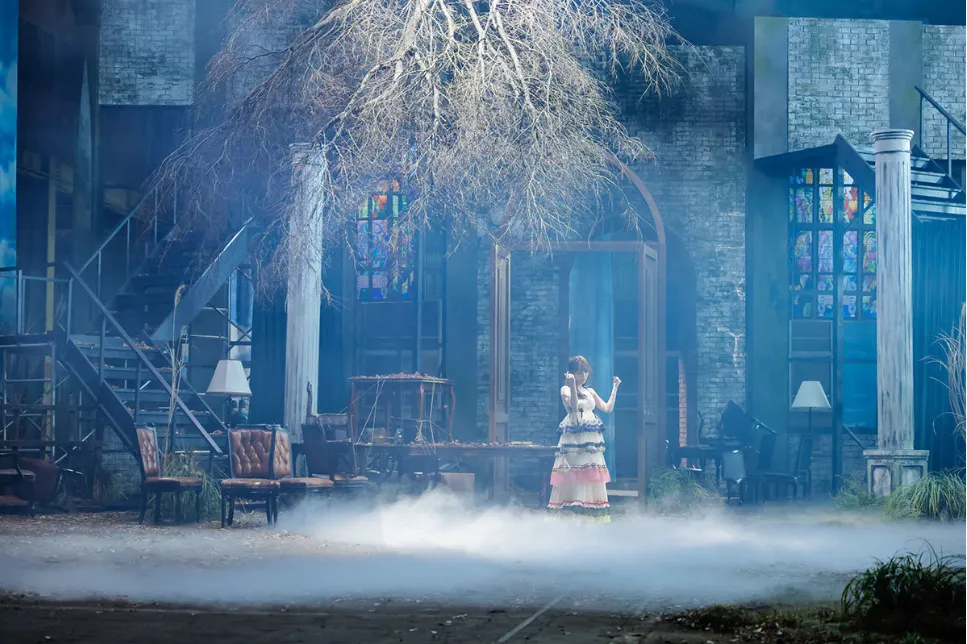
"Sakurazuki" ultimately presents a philosophy of graceful acceptance. The central question of how to "scatter beautifully" (どうやってキレイに散ればいいか) when permanence is impossible becomes the song's driving meditation. The narrator envisions falling slowly and reluctantly (名残惜しく ゆっくり落ちて行け), creating lasting memories rather than disappearing abruptly.
Here’s the final vision which is really impactful emotionally. Seeing cherry blossoms in full bloom beyond the dark night sky (暗い夜空の先 確かに今も 満開の桜が見える), with the recognition that "that flower is the person I loved most."
It’s the way the narrator transform their beloved into something eternal and beautiful, even while acknowledging that adult life might not go as planned. Even if dreams and ideals don't work out as they get older, they hope to scatter as beautifully as those cherry blossoms they remember.
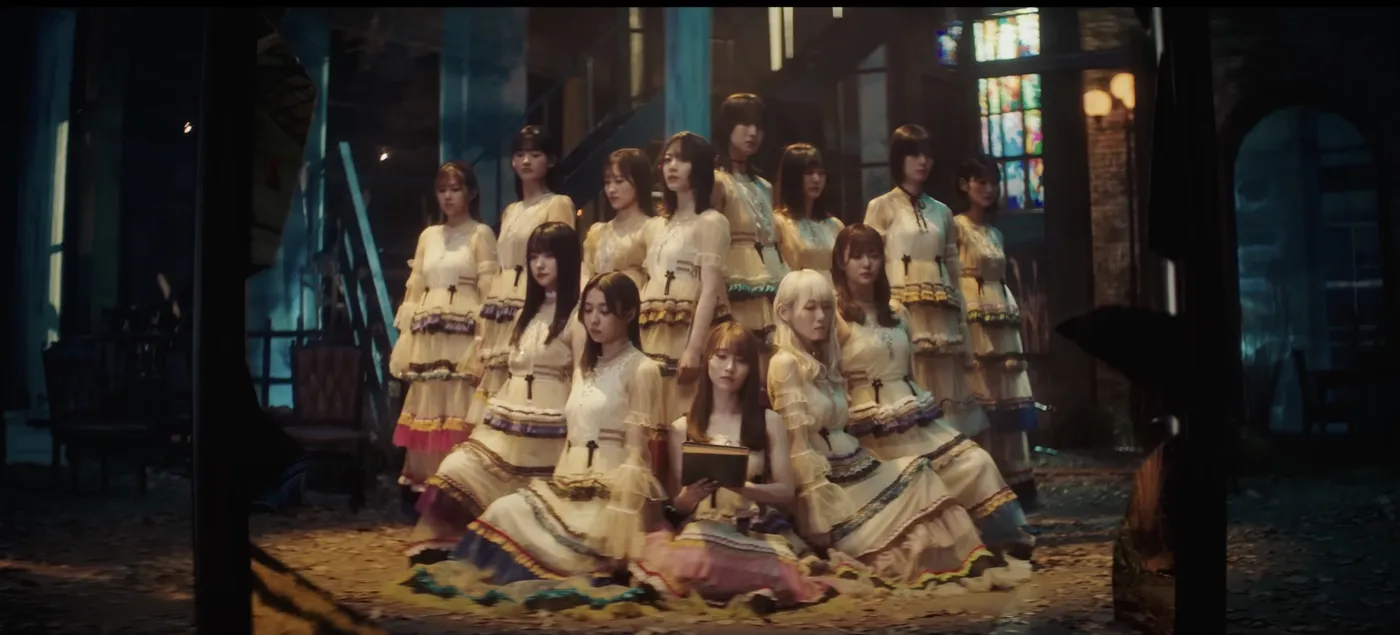
"Don't Cry, Sakurazuki”
The concluding plea "泣くな 桜月" (Don't cry, Sakurazuki) transforms the song's title into a gentle command , an acceptance that sadness during cherry blossom season is natural, but tears aren't necessary when beauty has been preserved in memory. Don't cry during cherry blossom season. Not because the sadness isn't real, but because they've chosen to make this ending beautiful instead of tragic.
That's the genius of this song. It's not asking us to get over heartbreak quickly or pretend it doesn't hurt. It's showing us how to love so purely that even the ending becomes a form of art.
In addition, the recurring melodic phrase (トュルルル トュル) serves as a gentle refrain that mirrors the song's cyclical nature. Like cherry blossoms that return each spring, some emotions and memories are destined to resurface, carrying with them both pain and beauty in equal measure.
With "Sakurazuki," Sakurazaka46 has created more than just a song about young love; they've crafted a meditation on the bittersweet nature of human connection and the courage required to love selflessly. The genius lies in the understanding that sometimes the most profound expressions of love are found not in words spoken, but in the graceful acceptance of what cannot be changed, and in choosing to remember that acceptance is beautiful rather than tragic.
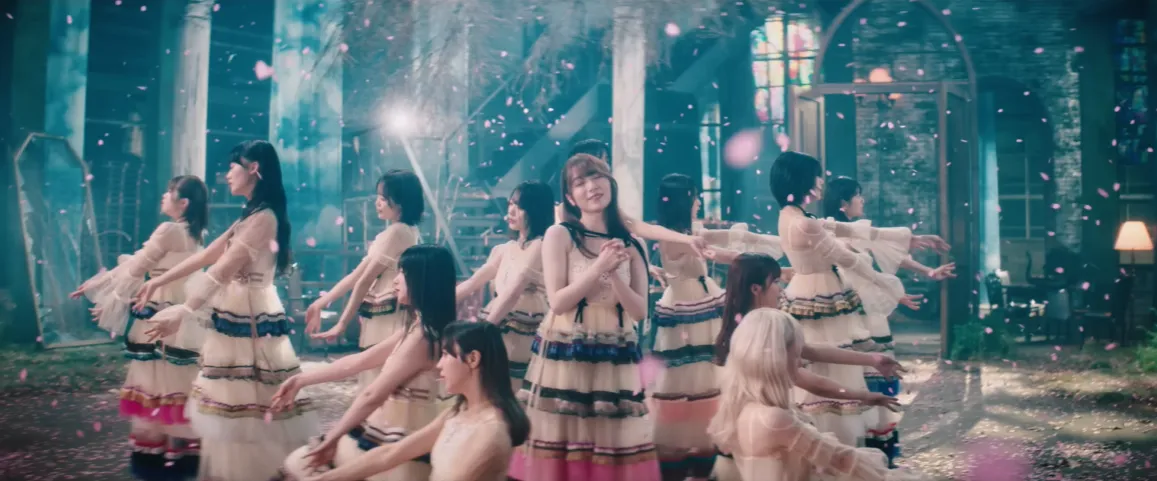
On top of that, what makes "Sakurazuki" special isn't just its emotional honesty, but also its emotional sophistication. This narrator isn't just pining or wallowing, they're actively constructing meaning from loss, choosing how to remember, deciding how to love without possessing. The song understands that sometimes the most mature expression of love is knowing when not to express it. That's a level of emotional intelligence that elevates this way beyond typical pop romance into something that feels genuinely wise.
It's not just about unrequited love. It's about the conscious choices we make in how we love, how we remember, and how we let go.
Some Final Words…
Look, I know I'm probably reading too much into a pop song, but "Sakurazuki" feels like it understands something profound about love and growing up. It's about the moments when we choose someone else's happiness over our own desires, when we turn our pain into something beautiful, when we learn that the most profound love sometimes means knowing when to let go.
Sometimes the most beautiful love stories are the ones that never actually get told, they just get remembered, like cherry blossoms falling slowly in the wind.
If you've made it this far, thanks for letting me ramble about my feelings for this song. Now excuse me while I go listen to “Sakurazuki” again since I’m defintely not listening to it for this whole time while writing this blog post.
Oh, and I almost forgot this very important information. Rena Moriya is really pretty.
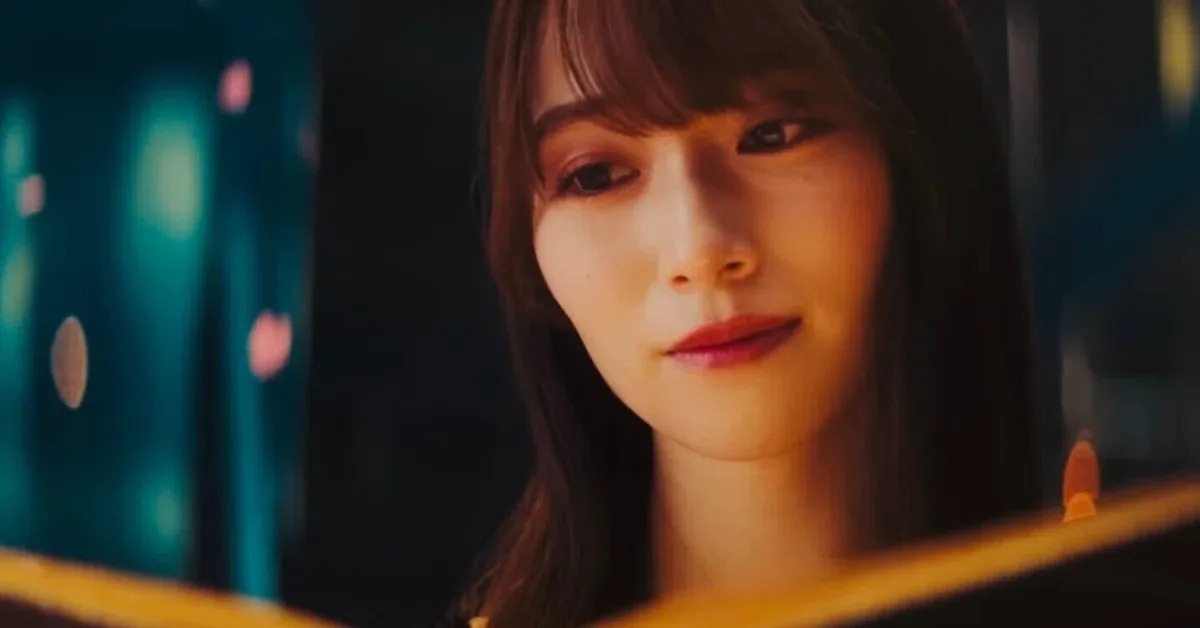
Give this song a listen here: https://youtu.be/zKLgrxHDgls?si=XhTPO1Rckqlx9Spr
Read More: Lazzerex’s Blog
Source: Published Notion page
This article
Post Reactions
Join the conversation
Write a Comment
Share your thought about this article.
Comments
Loading comments...