Growing Up Disguised as a Sports Story
A table tennis manga, a sprinting manga, and a manga about becoming an astronaut don't seem like they'd have much to say to each other. But Ping Pong, 100 Meters, and Space Brothers all use their sport or profession as little more than a backdrop, using it instead to ask what talent really means, why failure sticks around longer than a single loss, and what keeps someone devoted to something hard even when success is never guaranteed.

Contents
- The sport is just the room
- People come before plot
- Talent and effort refuse to add up neatly
- Adulthood matters more than power
- Failure changes people instead of just testing them
- No power ups, no villains, no last second miracles
- Hopeful without lying about it
- A world where everyone seems to have somewhere to be
- Pacing that's willing to slow down
- What keeps someone doing this at all
- The creators seem to respect their subjects rather than glorify them
- Looking at each one a little closer
- Where it all lands
I keep coming back to Ping Pong, 100 Meters, and Space Brothers, and every time I do, I notice again how little they have to do with the things they're supposedly about. One is a story about a paddle and a small plastic ball. Another follows two boys chasing each other down a track for ten seconds at a time. The third watches two brothers try to become astronauts. None of that sounds like it should belong on the same shelf, and yet once you actually sit with all three, you realize they're circling the exact same thing.
The sport is just the room
Table tennis in Ping Pong, sprinting in 100 Meters, and the astronaut program in Space Brothers all function less like subjects and more like rooms the characters happen to be standing in while something much bigger works itself out. You could swap the sport for almost anything and the emotional core would survive intact, because none of these stories actually care that much about who crosses the finish line first or who lifts the trophy.
What they care about is quieter than that. What does talent even mean, once you take away the assumption that it should lead somewhere? How do you keep functioning after losing at the one thing that used to tell you who you were? Why would anyone keep doing something once the reason they started stops making sense? Ping Pong goes so far as to suggest, without ever spelling it out directly, that the joy of playing matters more than winning ever could. That's an unusual thing for a sports story to say, and once it says it, everything else about the story starts to make sense.
People come before plot
Most competitive stories move forward on one simple engine. Can the main character win? These three run on something slower. Why does this person act the way they do? And because that question sits at the center, the whole cast ends up mattering in a way that's rare.
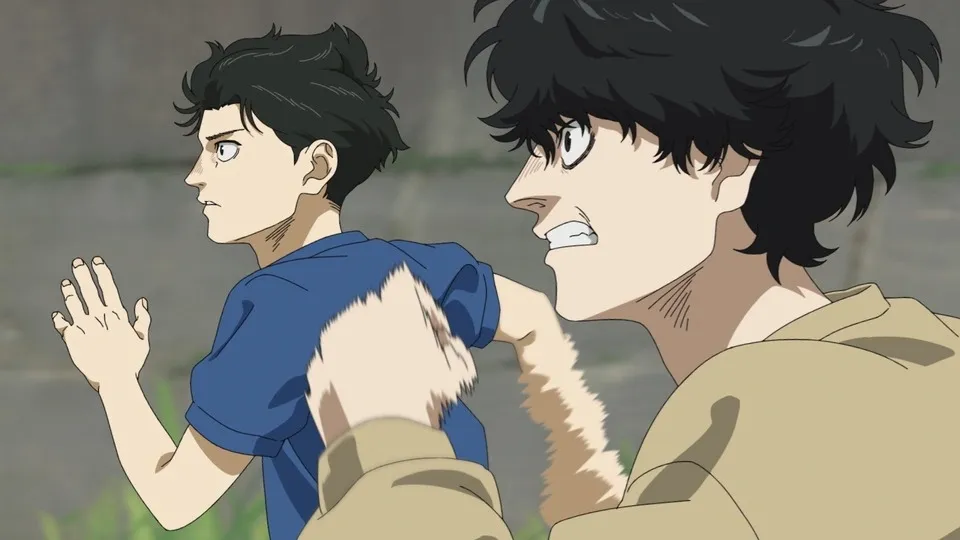
Peco, Smile, Kong Wenge, Kazama, even the burnt out old coach Sakuma all get real arcs in Ping Pong, not just a flashback and a fight scene before getting sent home. Togashi and Komiya's rivalry in 100 Meters isn't really about the stopwatch either. It's about two people who came to running from completely opposite places, one drifting in on pure gift and the other running toward it out of desperation, now stuck trying to figure out what to do with each other. And in Space Brothers, nearly every astronaut candidate feels like they could be the hero of their own book if the camera just turned a few degrees their way. Nobody in these stories exists purely to lose so someone else can win.
Talent and effort refuse to add up neatly
You've probably heard the usual line before. Hard work beats talent. These three don't buy it, at least not cleanly. They let something messier stay true instead. Talent is real and effort matters, but neither one comes with a guarantee attached. Luck plays a hand too, and so do timing, personality, and whatever environment happened to raise you.
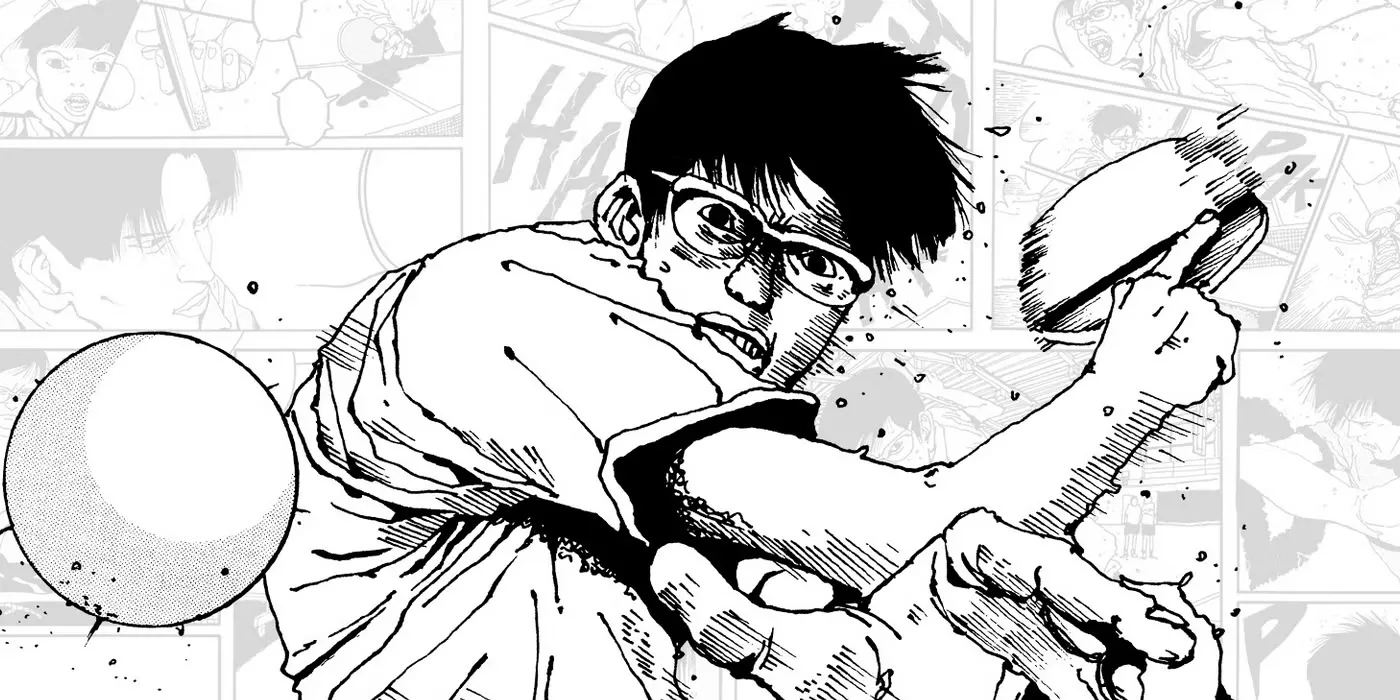
So sometimes the most gifted person still loses. Sometimes the hardest worker still comes up short, and nobody hands them a lesson to make sense of it. Peco doesn't lose to Kazama because he skipped practice or lacked heart. He loses because Kazama came up through a kind of pressure Peco's talent never had to survive before, and that difference doesn't resolve into anything tidy. Life just isn't fair sometimes, and pretending otherwise would undercut everything else these stories are trying to say.
Adulthood matters more than power
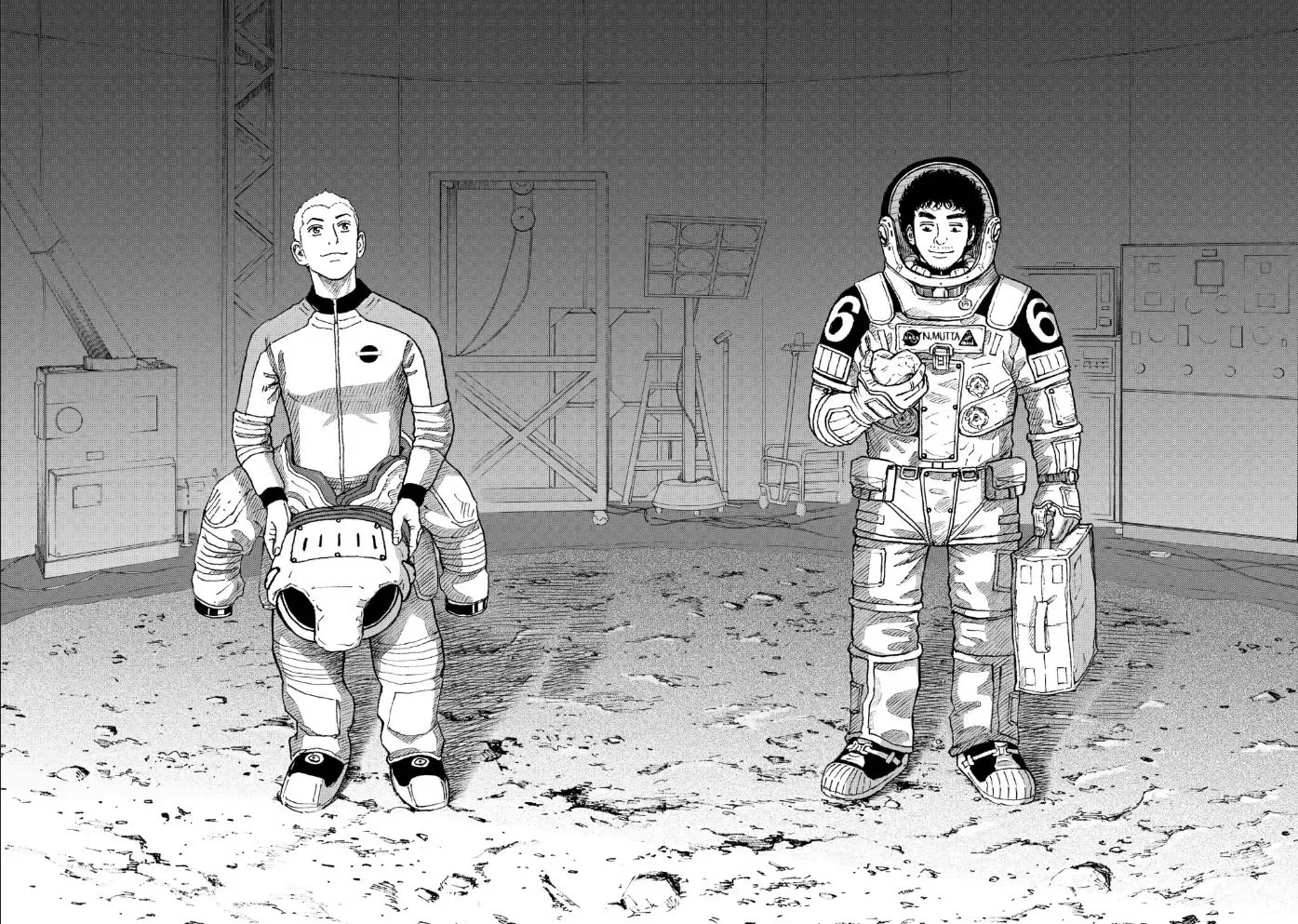
A lot of manga are really about teenagers getting stronger. These three are more interested in something slower, which is growing into an actual adult. Space Brothers spends a huge chunk of its story on people in their thirties balancing careers, families, and the sting of starting over in public after failing at something. Ping Pong eventually lets its characters realize that table tennis, as consuming as it felt at seventeen, is only one stretch of a much longer life. And 100 Meters follows its runners well past their teenage years, right into the moment where youthful talent runs headfirst into the reality of getting older, and neither Togashi nor Komiya gets to stay who they were at twelve.
None of the three treat youth like the high point of anyone's life, and that alone sets them apart from a lot of coming of age stories.
Failure changes people instead of just testing them
This might be the thing all three share most clearly. In a typical sports manga, a loss just sets up the next win. You train harder, come back stronger, and the story moves on. These three treat a loss as something with weight that doesn't disappear by the next chapter. It can end a career outright. It can send a whole dream veering off in a new direction. It can quietly rewrite who someone believes they are, and not always for the better.
In Ping Pong, a defeat pushes more than one character to stop asking how to improve and start asking whether the thing they've spent years chasing was ever really theirs to want in the first place. That's a much harder question than how do I train smarter, and most sports stories never let their characters near it.
No power ups, no villains, no last second miracles
It's worth pausing on what's missing here too. There's no screaming transformation scene, no impossible comeback pulled out of nowhere, no cartoon villain standing between the hero and the finish line, no rivalry inflated past the point anyone could believe. The moments that actually hit hardest come from a quiet conversation, half a second of someone's face changing, or the slow buildup of everything that happened before it. Because of that, all three feel closer to literary fiction than to typical genre storytelling, even though two of them technically started life in more commercial, shonen adjacent spaces.
Hopeful without lying about it
None of these three promise that effort guarantees success, and honestly that's exactly what keeps them from feeling hollow. What they offer instead is smaller and somehow more useful. Trying still matters even when it doesn't get you to where you originally aimed. That's a far more grown up way to think about ambition than the usual promise that persistence always pays off eventually, and it's probably why these stories stick with people longer than flashier ones do.
A world where everyone seems to have somewhere to be
A lot of manga follow a simple shape. Main character, a handful of rivals, then everyone else fading into background scenery. These three break from that. Every side character feels like they're living a full life just off the edge of the page, carrying their own pressures and hopes that the story only lets you glimpse for a moment. Pull almost anyone out of Ping Pong, 100 Meters, or Space Brothers and you could probably imagine an entire separate manga following them instead, and that's a big part of why these worlds feel so lived in rather than staged.
Pacing that's willing to slow down
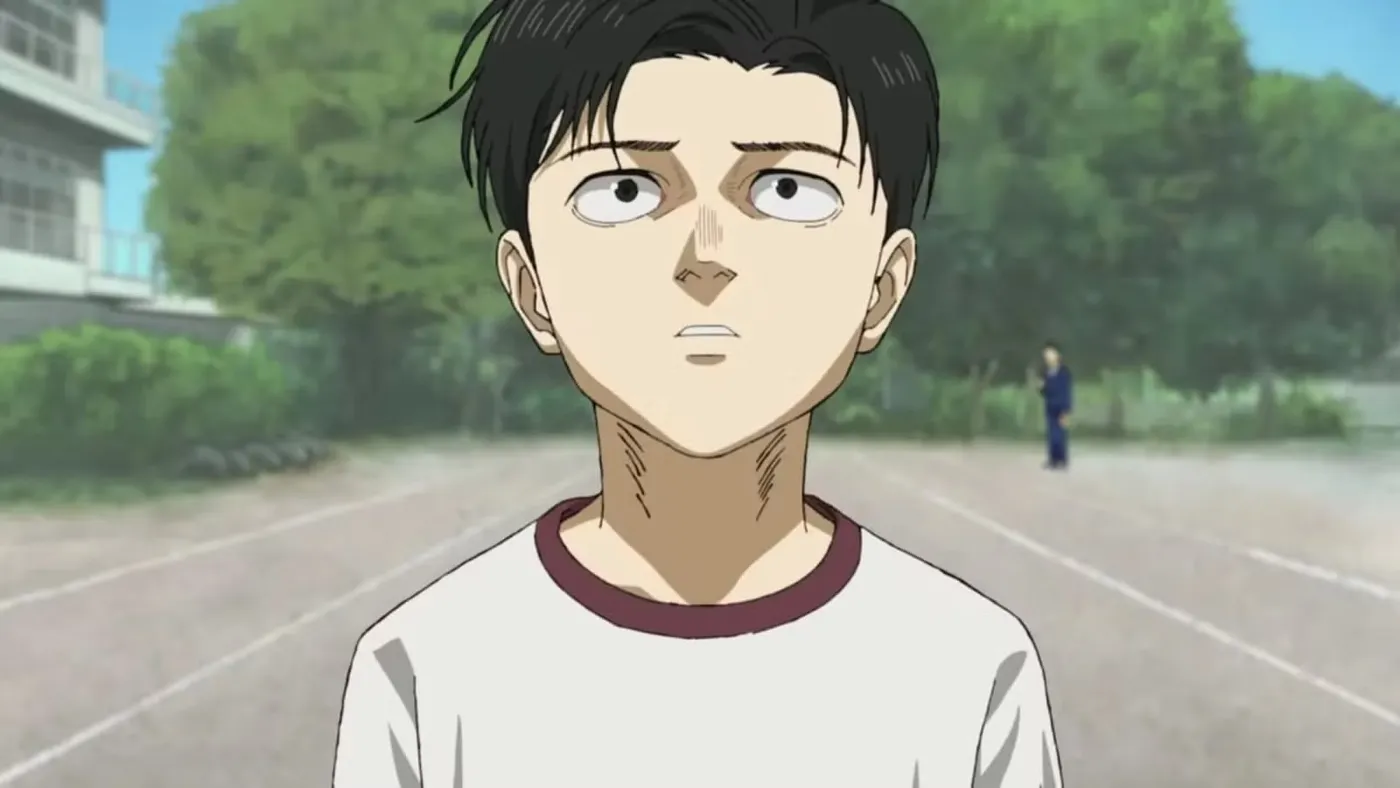
Instead of chasing constant excitement, these stories are comfortable sitting still. They'll linger on a commute, a conversation that goes nowhere in particular, a long stretch of practice, someone just waiting around or thinking things over. That patience pays off later, because by the time the big moment finally arrives, you've spent enough quiet time with these characters that it actually lands.
What keeps someone doing this at all
Underneath everything, all three keep asking the same version of one question. What keeps a person pouring years of their life into something this hard? It's not fame, since most of these characters never get anywhere close to it. It's not even guaranteed success, since these stories are unusually willing to admit success might never show up. Once you strip those away, what's left is just love for the thing itself, plain and a little irrational, and that love ends up being the emotional center each story keeps returning to.
If any of this sounds like your kind of story, you'll probably also enjoy Blue Period, March Comes in Like a Lion, Real, Planetes, or Medalist. They all share the same instinct of caring less about who comes out on top and more about who someone becomes along the way.
The creators seem to respect their subjects rather than glorify them
There's a quieter thread connecting all three that's easy to miss on a first read. Taiyo Matsumoto writes his athletes like actual people rather than superheroes, letting their bodies wear down and their confidence crack in ordinary, unglamorous ways. Uoto brings a similar honesty to running, treating ten seconds on a track with the same seriousness you'd expect from a philosophical question, which tracks given he studied philosophy himself before turning to manga. And Chuya Koyama spent years researching the real astronaut selection process for Space Brothers, and it shows up not as trivia dropped in for authenticity but as texture that makes the whole world feel earned.
None of the three seem interested in making their subjects look glamorous. They'd rather make them feel human.
Looking at each one a little closer
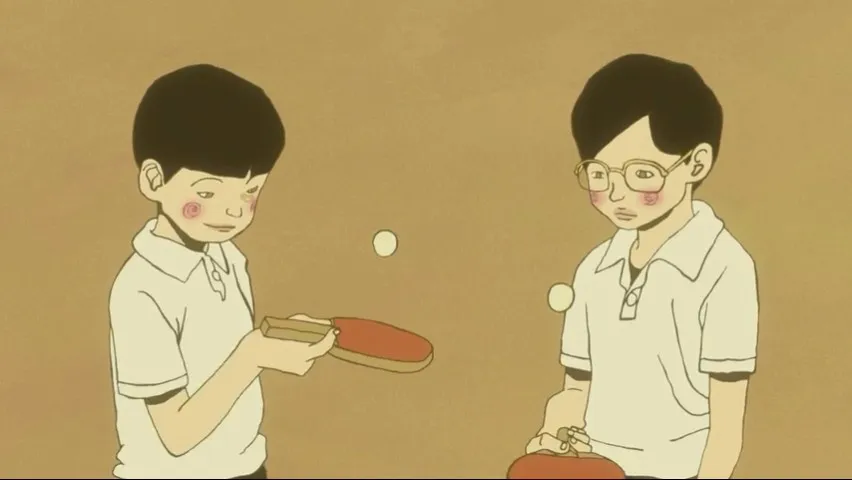
Ping Pong is the saddest of the three, in the best way. Peco was a childhood prodigy who coasted so long on raw talent that he never bothered building real technique underneath it, and by high school that gap starts showing in ways he can't ignore. Smile has the opposite problem. He's actually more gifted than Peco, but he plays with a flat, almost mechanical detachment, hitting the ball back because it's there rather than because he wants anything from it. Their friendship becomes the whole engine of the story, asking a question most sports manga would rather avoid, which is whether talent is a gift at all or just an accident that tells you nothing about what you should actually want. Neither of them gets a clean, triumphant ending. Winning here just means carrying the exhausting weight of staying on top, and losing means figuring out who you even are once the thing that used to define you is gone.
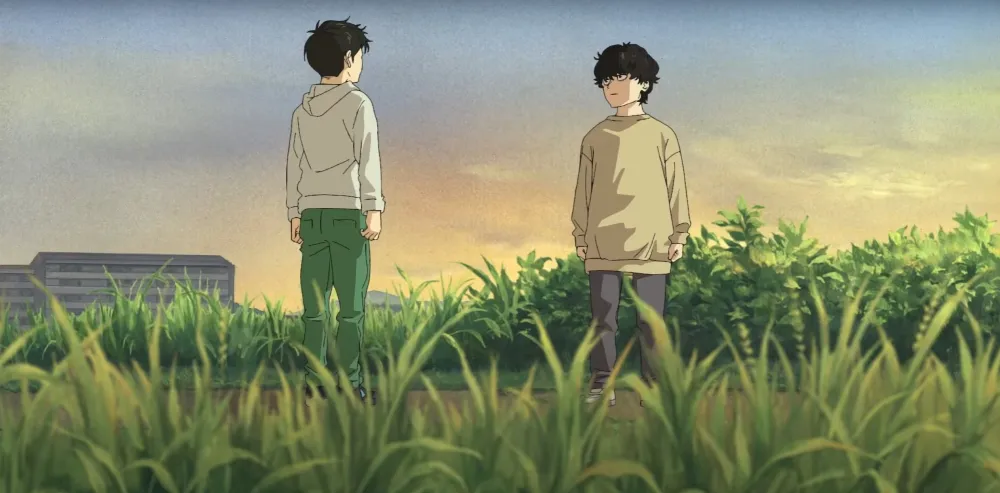
100 Meters burns hotter and stranger. Togashi was born fast, and that speed became his whole identity long before he ever had to fight for anything. Then he loses once, just once, and the floor drops out from under him. Komiya is his mirror image, someone who never came to running for glory but as a way to escape a home life he couldn't stand being inside of anymore. Uoto keeps circling back to something almost feverish underneath it all, the strangeness of building an entire life around a race that's over in about ten seconds. The manga isn't really asking who wins. It's asking why two people would organize their whole existence around something this brief, and what that says about how people manufacture meaning out of things that are, if you think about it too long, basically arbitrary.
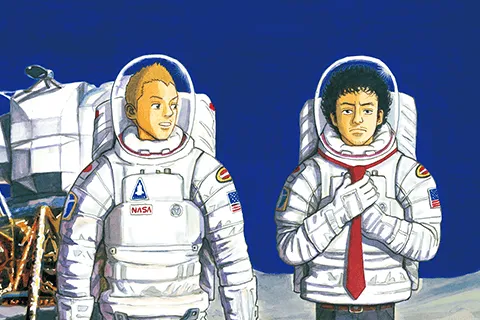
Space Brothers is the warmest of the three, and it earns that warmth honestly rather than handing it out cheaply. Mutta and Hibito promise each other as kids that they'll become astronauts together, and years later Hibito is preparing for a lunar mission while Mutta has just been fired for headbutting his boss. What keeps the story from turning bitter is that Hibito's success is never treated as coming at Mutta's expense. Mutta's slow climb back toward JAXA in his thirties is about proving something to himself, not catching up to his brother, and Koyama has said he wanted to capture the feeling of one person going to space while another stays behind watching over them. There's real tenderness in that image, and none of the usual sting of rivalry. Where Ping Pong sits in weary realism and 100 Meters runs on obsession, Space Brothers holds onto something closer to hope that's actually been earned.
Where it all lands
Take away the paddle, the track, and the rockets, and all three are telling roughly the same story wearing different clothes. They're coming of age stories dressed up as stories about mastery. Whichever world they choose to set it in, a ping pong table, a running track, or a space program, they all keep coming back to the same idea underneath. What does it actually mean to give years of your life to something difficult, to survive both the winning and the losing that comes with it, and to grow, slowly and without any promises attached, into someone fuller than who you started out as.
Source: Published Notion page
This article
Post Reactions
Join the conversation
Write a Comment
Share your thought about this article.
Comments
Loading comments...